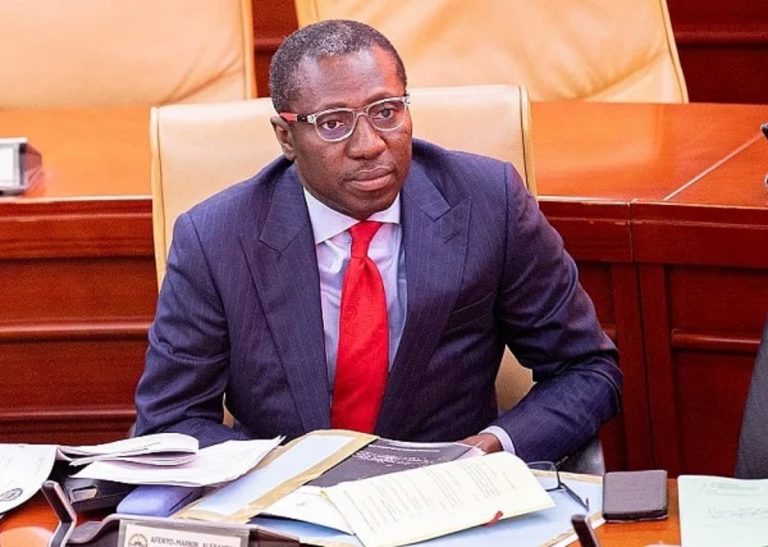
Former Health Minister Kwaku Agyemang-Manu appears during an official meeting as Ghana investigates allegations connected to the controversial Sputnik V COVID-19 vaccine procurement deal.
Ghana’s political landscape has been shaken by new revelations surrounding the Sputnik V COVID-19 vaccine procurement scandal, as Presidential spokesperson Felix Kwakye Ofosu has outlined details about the arrest and charges against former Health Minister Kwaku Agyemang-Manu. The case, which has drawn widespread national attention, centers on controversial contracts related to the Sputnik V vaccine deal during the COVID-19 pandemic. Authorities are investigating allegations of financial irregularities, procurement breaches, and abuse of public office, raising serious questions about accountability in Ghana’s health sector. As the investigation unfolds, the Agyemang-Manu arrest and charges have become one of the most discussed political issues in Ghana, with major implications for governance, public trust, and anti-corruption efforts.
Background of the Sputnik V Vaccine Controversy
The Sputnik V vaccine controversy in Ghana emerged during the height of the COVID-19 pandemic when the government was urgently seeking additional vaccines to protect the population and reduce rising infection rates. At the time, countries around the world were racing to secure vaccines, and Ghana was no exception. As part of its efforts to expand vaccine supply beyond donations and international programs such as COVAX, the government explored deals with several pharmaceutical companies, including the Russian-developed Sputnik V COVID-19 vaccine.
However, the Sputnik V vaccine controversy in Ghana began when reports surfaced that the procurement agreement may not have followed the country’s established public procurement procedures. According to information presented during parliamentary discussions, the agreement to purchase Sputnik V vaccines was allegedly arranged through a private intermediary rather than directly with the manufacturer or an authorized distributor. This raised immediate concerns among lawmakers and transparency advocates about whether the process met Ghana’s procurement laws.
The issue quickly gained national attention when Ghana’s Parliament launched an inquiry into the Sputnik V vaccine deal. Members of the Parliamentary Committee on Health questioned officials from the Ministry of Health about how the agreement was negotiated and whether the price and conditions were appropriate for the country. Lawmakers were particularly concerned about reports that Ghana might have been required to pay significantly higher prices for the vaccine compared to other countries.
Another key aspect of the Sputnik V vaccine controversy in Ghana was the lack of full transparency surrounding the contract terms. Critics argued that the agreement appeared to bypass some of the standard checks that normally apply to government procurement. This led to calls for greater accountability and a full investigation into the circumstances under which the deal was arranged.
The controversy intensified as public debate grew about whether emergency pandemic conditions justified bypassing certain procurement procedures. While some officials argued that urgent action was necessary to secure vaccines during a global health crisis, others insisted that even during emergencies, public officials must follow proper legal and financial guidelines.
As the investigation progressed, the Sputnik V vaccine controversy in Ghana became one of the most significant political and governance issues linked to the country’s COVID-19 response. The case sparked broader discussions about transparency, accountability, and the importance of maintaining strong oversight when governments make high-value decisions during national emergencies.
Who is Kwaku Agyemang-Manu?
Kwaku Agyemang-Manu is a prominent Ghanaian politician who served as the country’s Minister of Health and played a key role in shaping Ghana’s healthcare policies, especially during the COVID-19 pandemic. As the head of the Ministry of Health, he was responsible for overseeing the government’s response to the global health crisis, including the acquisition and distribution of vaccines to protect the population.
During the pandemic, the Ministry of Health worked closely with international organizations, donor partners, and pharmaceutical companies to secure vaccines for Ghana. This effort included participation in global vaccine initiatives such as COVAX, as well as exploring direct procurement agreements with vaccine manufacturers. As a result, Agyemang-Manu became one of the central figures in Ghana’s national strategy to combat COVID-19 and expand vaccine access.
However, his name later became widely associated with the Sputnik V vaccine controversy in Ghana, which emerged when questions were raised about the process used to procure the Russian-developed COVID-19 vaccine. Critics and members of parliament began scrutinizing the agreement after reports indicated that the vaccine procurement deal may have been arranged through a private intermediary rather than directly with the vaccine manufacturer.
The controversy surrounding the Sputnik V vaccine deal placed significant public attention on Agyemang-Manu’s role as Health Minister at the time the agreement was negotiated. Lawmakers and investigators sought explanations regarding how the contract was signed, whether the procurement process complied with Ghana’s public procurement laws, and whether the terms of the deal were favorable to the country.
Despite the controversy, Agyemang-Manu has maintained that decisions taken during the pandemic were intended to address an urgent public health crisis. Like many governments around the world, Ghana faced intense pressure to secure vaccines quickly to control the spread of COVID-19 and protect citizens.
Today, the former Health Minister remains a key figure in discussions surrounding the Sputnik V vaccine controversy in Ghana, as investigators and political analysts continue examining the events that led to the controversial procurement deal and its broader implications for governance and public accountability.
Felix Kwakye Ofosu’s Explanation of the Arrest
Presidential spokesperson Felix Kwakye Ofosu has provided new details regarding the arrest and charges involving former Health Minister Kwaku Agyemang-Manu, linking the development directly to investigations surrounding the Sputnik V vaccine controversy in Ghana. According to Ofosu, the actions taken by authorities were part of a broader effort to ensure accountability in the management of public funds and procurement processes during the COVID-19 pandemic.
Speaking on the issue, Kwakye Ofosu explained that investigators had been examining the circumstances under which the Sputnik V vaccine procurement deal was negotiated and signed. The investigation reportedly focused on whether the agreement complied with Ghana’s procurement laws and whether proper authorization procedures were followed before committing the country to the contract.
The Sputnik V vaccine controversy in Ghana had already attracted national attention after parliament raised concerns about the involvement of a private intermediary in the vaccine deal. Lawmakers and anti-corruption advocates questioned whether the arrangement exposed the government to unnecessary financial risks and whether all the required approvals had been obtained before the agreement was finalized.
According to Kwakye Ofosu, the decision to arrest Agyemang-Manu was not a political action but part of the legal process following findings from ongoing investigations. He emphasized that government institutions responsible for law enforcement and anti-corruption efforts are obligated to examine any allegations of wrongdoing involving public officials, especially when large sums of public funds and national health interests are involved.
The spokesperson also noted that the Sputnik V vaccine controversy in Ghana highlights the importance of transparency and accountability in government procurement, particularly during national emergencies such as the COVID-19 pandemic. While governments around the world faced pressure to secure vaccines quickly, Ofosu stated that this urgency does not eliminate the need to follow proper legal procedures.
As the investigation continues, Felix Kwakye Ofosu has indicated that authorities will allow the legal process to determine whether any criminal liability exists in relation to the Sputnik V vaccine procurement deal, ensuring that the case is handled through the appropriate judicial channels.
Alleged Procurement Irregularities
One of the central issues driving the Sputnik V vaccine controversy in Ghana is the allegation that the vaccine procurement agreement may have violated established public procurement procedures. During the height of the COVID-19 pandemic, Ghana’s government was under pressure to secure additional vaccines to protect its population. However, critics and lawmakers later questioned whether the process used to acquire the Sputnik V COVID-19 vaccine followed the country’s legal and financial guidelines.
The controversy intensified after reports suggested that the agreement for the Sputnik V vaccine deal was arranged through a private intermediary instead of directly with the vaccine manufacturer. This raised concerns among members of parliament and policy analysts who argued that using a middleman in such a critical national health contract could expose the government to unnecessary financial risks.
Under Ghana’s public procurement laws, major government contracts—especially those involving large sums of public funds—are expected to go through specific approval procedures and oversight mechanisms. Critics claimed that the Sputnik V vaccine procurement deal might have bypassed some of these requirements, prompting calls for a full investigation into the decision-making process.
During parliamentary hearings examining the Sputnik V vaccine controversy in Ghana, officials from the Ministry of Health were questioned about how the contract was negotiated and who authorized the arrangement. Lawmakers also demanded clarification regarding the pricing structure and whether the terms of the deal were consistent with global vaccine procurement standards at the time.
Another major concern related to transparency. Observers noted that details of the agreement were not immediately made public, which fueled speculation and public skepticism about the legitimacy of the contract. Civil society organizations and anti-corruption advocates argued that full disclosure was necessary to maintain public trust in the government’s handling of pandemic-related decisions.
As the investigation into the Sputnik V vaccine controversy in Ghana continues, alleged procurement irregularities remain a central focus for investigators and policymakers. The case has sparked broader discussions about the importance of following proper procurement procedures, even during emergencies such as the COVID-19 pandemic, when governments are under immense pressure to act quickly.
Financial Implications of the Sputnik V Deal
The financial implications of the Sputnik V vaccine deal became one of the most debated aspects of the Sputnik V vaccine controversy in Ghana. During the COVID-19 pandemic, governments around the world were spending billions of dollars to secure vaccines for their populations. However, in Ghana’s case, questions were raised about the pricing structure and financial terms attached to the proposed Sputnik V vaccine procurement agreement.
Reports suggested that the deal involved the potential purchase of millions of doses of the Russian-developed Sputnik V COVID-19 vaccine, which could have cost the country tens of millions of dollars. Critics argued that the price Ghana was expected to pay per dose appeared higher than what some other countries had reportedly negotiated for the same vaccine. This raised concerns among lawmakers and policy analysts about whether the government had secured a fair and competitive deal.
Another issue that fueled the Sputnik V vaccine controversy in Ghana was the involvement of a private intermediary in the negotiation process. Instead of dealing directly with the manufacturer, the government was reportedly negotiating through a middleman. Critics argued that this arrangement could increase the overall cost of the vaccine procurement and expose the country to unnecessary financial risks.
Members of parliament who examined the Sputnik V vaccine deal during committee hearings demanded greater transparency regarding the financial details of the contract. Lawmakers wanted to know how the pricing was determined, whether the agreement had been approved by the appropriate authorities, and whether safeguards were in place to protect public funds.
Civil society organizations and anti-corruption advocates also expressed concern about the financial implications of the deal. They emphasized that public funds allocated for pandemic response must be managed carefully, especially during times when governments are under immense pressure to make rapid spending decisions.
As the investigation into the Sputnik V vaccine controversy in Ghana continues, the financial aspects of the deal remain a key focus. Authorities are working to determine whether the agreement could have caused financial loss to the state and whether the procurement process met the standards required for responsible management of public resources.
Parliamentary Investigations into the Vaccine Deal
The Sputnik V vaccine controversy in Ghana reached a critical point when Ghana’s Parliament launched a formal investigation into the procurement of the Russian-developed COVID-19 vaccine. The parliamentary inquiry was initiated after lawmakers raised serious concerns about how the Sputnik V vaccine deal had been negotiated and whether the process complied with the country’s public procurement laws.
The investigation was led by the Parliamentary Committee on Health, which was tasked with examining the circumstances surrounding the vaccine agreement. Members of the committee invited officials from the Ministry of Health, procurement authorities, and other government agencies to provide explanations regarding the details of the contract.
During the hearings, lawmakers questioned why the Sputnik V vaccine procurement agreement had reportedly been arranged through a private intermediary instead of being negotiated directly with the vaccine manufacturer. This issue became a major focus of the parliamentary investigation because it raised concerns about transparency, pricing, and the potential for financial irregularities.
The committee also examined documents related to the Sputnik V vaccine deal, including correspondence, procurement approvals, and financial details associated with the agreement. Lawmakers sought to determine whether the deal had received the necessary approvals from relevant state institutions before it was finalized.
Another key aspect of the parliamentary investigation involved reviewing the price Ghana had reportedly agreed to pay for the Sputnik V COVID-19 vaccine. Some members of parliament questioned whether the price per dose was higher than what other countries had paid for the same vaccine, which added to concerns about whether the agreement represented value for money.
The parliamentary inquiry played a significant role in bringing the Sputnik V vaccine controversy in Ghana into the public spotlight. Media coverage of the hearings sparked nationwide discussions about accountability, transparency, and the importance of proper procurement procedures when handling large government contracts.
As a result of the investigation, several recommendations were made regarding the vaccine deal, including calls for stronger oversight of government procurement processes. The parliamentary probe ultimately laid the foundation for further investigations into the Sputnik V vaccine controversy in Ghana, ensuring that the matter received continued attention from both legal authorities and the public.
Legal Charges Against Agyemang-Manu
As investigations into the Sputnik V vaccine controversy in Ghana continued, attention increasingly turned to the potential legal charges against former Health Minister Kwaku Agyemang-Manu. Authorities began examining whether the decisions taken during the controversial vaccine procurement process may have violated Ghana’s procurement laws or other legal provisions governing the use of public funds.
One of the main concerns raised during the investigation was whether the Sputnik V vaccine procurement deal involved an abuse of public office or breaches of the country’s procurement regulations. Legal experts noted that government officials responsible for large public contracts are required to follow strict procedures designed to ensure transparency, accountability, and value for money when public resources are involved.
The Sputnik V vaccine controversy in Ghana raised questions about whether the agreement had received the necessary approvals from relevant state institutions before it was finalized. Investigators have been reviewing documentation related to the deal, including procurement approvals, contractual terms, and financial commitments associated with the proposed vaccine purchase.
Another legal issue under consideration involves the possibility of financial misconduct or causing financial loss to the state. If authorities determine that the terms of the Sputnik V vaccine deal exposed the country to unnecessary financial risks or violated procurement laws, prosecutors may pursue formal charges against those involved in the decision-making process.
Legal analysts say that cases like the Sputnik V vaccine controversy in Ghana are particularly sensitive because they involve decisions made during a national emergency. During the COVID-19 pandemic, governments around the world faced intense pressure to secure vaccines quickly to protect their populations. However, experts emphasize that emergency circumstances do not eliminate the need for public officials to follow established legal procedures.
If formal charges are filed in connection with the Sputnik V vaccine procurement deal, the case could become one of the most significant legal proceedings related to Ghana’s pandemic response. The outcome may also influence future government policies on procurement oversight, transparency, and accountability in the management of public funds.
Public Reaction in Ghana
The Sputnik V vaccine controversy in Ghana has generated widespread public reaction across the country, with citizens, political analysts, and civil society organizations closely following developments related to the investigation and the Agyemang-Manu arrest and charges. As details of the controversial vaccine procurement deal emerged, the issue quickly became one of the most talked-about topics in Ghana’s political and media landscape.
Many Ghanaians have expressed strong support for the investigation, arguing that public officials must be held accountable whenever questions arise about the use of public funds. For these citizens, the Sputnik V vaccine controversy in Ghana represents an important opportunity to strengthen transparency and demonstrate that government leaders can be investigated when concerns about procurement and financial management surface.
At the same time, some political observers have urged caution in handling the case. They argue that investigations into the Sputnik V vaccine deal should be conducted carefully and based strictly on evidence, rather than political considerations. According to these analysts, maintaining fairness and due process is essential to ensuring that the case does not become a source of political division.
Social media platforms in Ghana have also played a significant role in shaping public discussion around the Sputnik V vaccine controversy in Ghana. Many users have shared opinions, analysis, and commentary about the allegations and the possible legal consequences for those involved. The topic has trended across multiple online platforms as citizens debate issues of governance, accountability, and public trust.
Civil society organizations and anti-corruption groups have also weighed in on the issue, calling for a transparent legal process and the full disclosure of all relevant information related to the vaccine procurement deal. These groups argue that the outcome of the investigation could set an important precedent for how similar cases are handled in the future.
Overall, the Sputnik V vaccine controversy in Ghana has sparked a nationwide conversation about leadership, accountability, and the management of public resources, particularly during times of crisis such as the COVID-19 pandemic.
Impact on Ghana’s Anti-Corruption Efforts
The Sputnik V vaccine controversy in Ghana has become a major test for the country’s anti-corruption institutions and governance systems. As investigations continue into the controversial vaccine procurement deal and the Agyemang-Manu arrest and charges, many observers believe the outcome of the case could have significant implications for how corruption-related allegations are handled in Ghana.
Anti-corruption advocates argue that the Sputnik V vaccine controversy in Ghana highlights the importance of maintaining strong oversight mechanisms, especially during national emergencies. During the COVID-19 pandemic, governments around the world were forced to make rapid decisions in order to protect public health. However, experts emphasize that emergency situations should not weaken safeguards designed to ensure transparency and accountability in public spending.
For Ghana, the investigation into the Sputnik V vaccine deal represents an opportunity to demonstrate that public officials can be held accountable for their decisions, regardless of their position. Civil society organizations and governance experts have stressed that a transparent and fair legal process will be crucial in strengthening public confidence in state institutions.
The controversy has also sparked renewed discussions about the need to strengthen procurement regulations and improve monitoring systems within government agencies. Some analysts believe the Sputnik V vaccine controversy in Ghana could lead to reforms that make it more difficult for procurement processes to bypass required approvals or oversight procedures.
In addition, the case has drawn the attention of international observers who monitor governance and anti-corruption efforts in developing countries. The way Ghana handles the Sputnik V vaccine controversy may influence how investors, development partners, and global institutions view the country’s commitment to transparency and good governance.
Ultimately, the impact of the Sputnik V vaccine controversy in Ghana extends beyond the individuals involved in the investigation. The case has become a broader symbol of the ongoing struggle to strengthen accountability, protect public resources, and ensure that government decisions are made in the best interests of citizens.
What Happens Next in the Investigation
As the Sputnik V vaccine controversy in Ghana continues to unfold, attention is now focused on the next steps in the investigation and the possible legal outcomes for those involved in the controversial vaccine procurement deal. Authorities responsible for the case are currently reviewing documents, witness statements, and financial records related to the Sputnik V vaccine deal in order to determine whether formal prosecution should proceed.
Investigators are expected to analyze procurement approvals, contract agreements, and internal communications connected to the vaccine purchase. These materials will help determine whether the procedures followed during the Sputnik V vaccine procurement process complied with Ghana’s procurement laws and financial regulations.
Legal experts say the next phase of the case may involve additional interrogations of key officials who played roles in negotiating or approving the agreement. Depending on the evidence gathered, prosecutors may decide whether to formally file charges related to alleged procurement violations, abuse of public office, or financial misconduct connected to the Sputnik V vaccine controversy in Ghana.
The outcome of the investigation will also depend on the findings of institutions responsible for anti-corruption enforcement and legal oversight. These agencies are expected to evaluate whether the decisions made during the pandemic were justified under emergency conditions or whether the actions taken breached established legal procedures.
Beyond the legal process, the Sputnik V vaccine controversy in Ghana is likely to have long-term implications for government policy and public sector governance. Experts believe the case may lead to reforms aimed at strengthening procurement oversight, improving transparency in government contracts, and ensuring that emergency procurement decisions remain subject to proper accountability measures.
For many observers, the case represents more than just a legal dispute—it has become a test of Ghana’s commitment to transparency and responsible management of public resources. As the investigation progresses, the nation will be watching closely to see how authorities handle the Sputnik V vaccine controversy in Ghana and whether the process reinforces public trust in government institutions.
Other stories
-
10 Shocking Details About Gunfire Outside Rihanna’s Mansion
-
10 Things to Know: Ghana Set For Historic First-Ever Match Against Wales
-
5 Key Facts About Afenyo-Markin’s Trybenet Allegation
-
10 Key Facts UEFA Suspends Benfica’s Prestianni
-
What Are Contactless Payments? 10 Powerful Benefits, Security Features & Future Trends (2026 Guide)