5 Key Facts About Afenyo-Markin’s Trybenet Allegation
Minority Leader Alexander Afenyo-Markin has raised serious concerns over the alleged involvement of a top government appointee in the controversial “Trybenet” matter. The explosive claim has triggered intense debate across Ghana’s political news platforms, with growing calls for transparency, investigation, and accountability. As discussions trend online, citizens are demanding clarity on whether public office may have been misused in connection with the alleged Trybenet operations.
Below are 10 key sections breaking down the controversy, reactions, and possible implications.
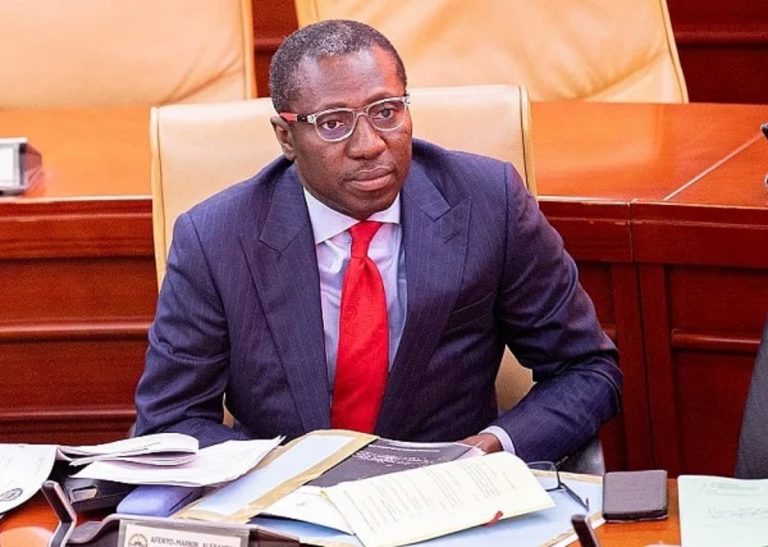
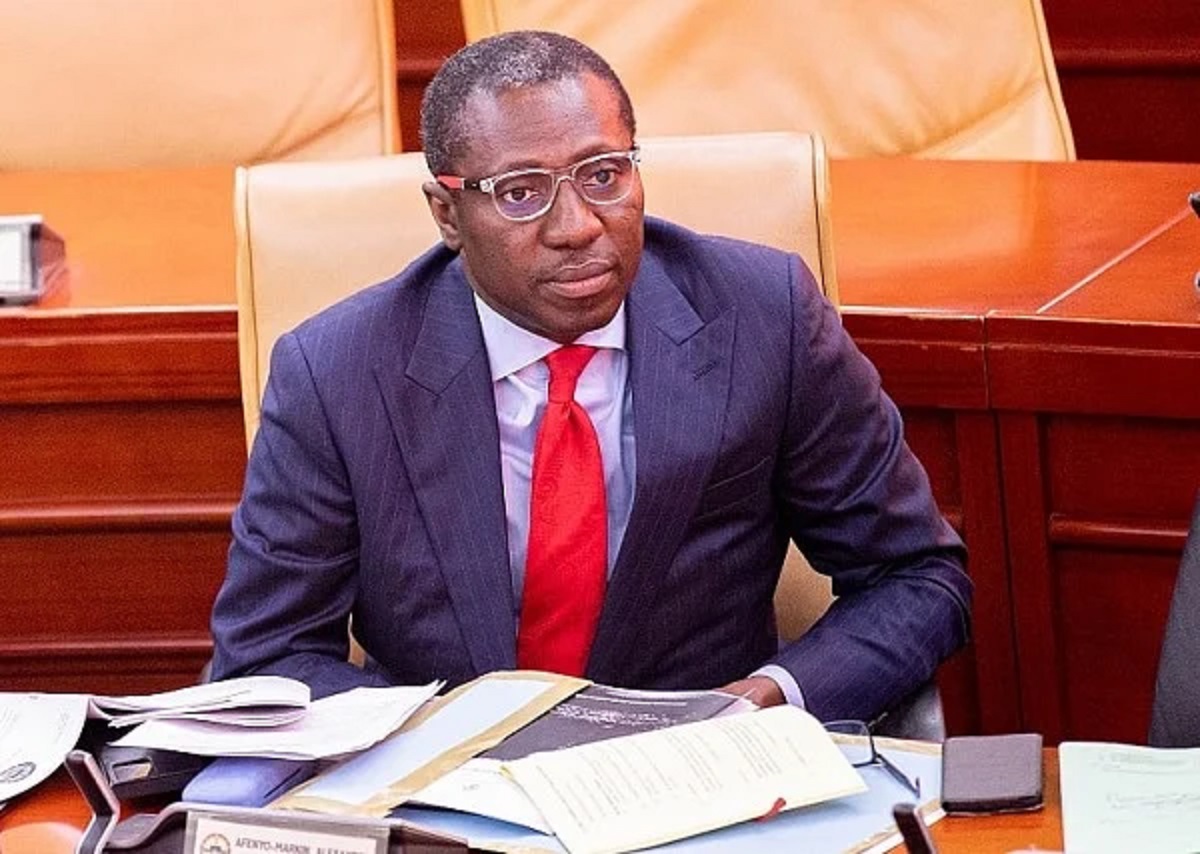
Who Is Afenyo-Markin?
The Alexander Afenyo-Markin profile has become a trending search topic in Ghanaian political news following his recent allegations concerning the controversial “Trybenet” issue. Alexander Afenyo-Markin is a prominent Ghanaian politician and legal practitioner who currently serves as a leading voice in Parliament. Known for his assertive communication style and active participation in national debates, he has built a reputation as a key figure in Ghana’s legislative and political landscape.
Born and raised in Ghana, Afenyo-Markin pursued a career in law before transitioning fully into politics. His legal background has significantly influenced his approach to governance, policy scrutiny, and parliamentary oversight. Over the years, he has represented the Effutu constituency, advocating for development initiatives and participating in national legislative processes.
The Alexander Afenyo-Markin profile is often associated with strong commentary on accountability, governance transparency, and constitutional matters. As a senior member of Parliament and minority leader, he frequently addresses issues concerning public office conduct, institutional independence, and rule of law. His statements often spark widespread discussion, especially when they involve allegations against high-ranking officials or controversial policy decisions.
In Ghana’s democratic framework, political figures like Afenyo-Markin play a critical oversight role. Parliament serves as a key check on executive power, and opposition leaders are expected to question, challenge, and demand clarity when public concerns arise. His recent alarm regarding alleged involvement of a top government appointee in “Trybenet” reflects this oversight responsibility.
Beyond partisan politics, Afenyo-Markin is regarded as an influential communicator whose remarks frequently trend across media platforms. Supporters see him as a defender of accountability, while critics sometimes view his statements as politically strategic. Regardless of perspective, the Alexander Afenyo-Markin profile remains central to understanding current parliamentary debates and evolving governance conversations in Ghana.
What Is ‘Trybenet’? ’?
“Trybenet” has recently emerged as a controversial term in Ghana’s political discourse, particularly following comments by Alexander Afenyo-Markin. While full public details about Trybenet remain limited, it is being referenced in connection with alleged digital operations and potential links to political or financial activities.
The lack of publicly available documentation has fuelled speculation and intensified calls for clarification. In situations like this, ambiguity often drives public curiosity, leading to heightened media coverage and social media debate. Many citizens are asking whether Trybenet refers to a private technology platform, a digital communications network, or a coordinated operational system with political implications.
Because the allegations involve a “top government appointee”, the matter carries additional weight. If Trybenet is connected to digital infrastructure, online campaigns, or financial transactions, regulatory compliance and ethical standards would naturally come under scrutiny. Ghana’s laws governing digital operations, cybersecurity, and financial conduct require transparency and proper authorisation, especially when public officials are involved.
However, it is important to distinguish between allegation and verified fact. At this stage, no court ruling or official investigative report has publicly confirmed wrongdoing related to Trybenet. Legal experts emphasise that formal investigations must establish clear evidence before conclusions are drawn.
The controversy highlights a broader issue in modern governance: the growing intersection between technology, politics, and accountability. As digital networks increasingly influence communication and public policy, any alleged misuse can quickly become a national concern.
Ultimately, clearer official communication will be necessary to define exactly what Trybenet represents and whether any legal or ethical breaches have occurred.
The Allegation Explained
The core of the controversy centres on claims made by Alexander Afenyo-Markin, who has alleged that a top government appointee may be linked to activities associated with “Trybenet”. While the full scope of the allegation has not been officially detailed through investigative findings, the statement has intensified national discussion and political scrutiny.
According to Afenyo-Markin, the concern is not merely about the existence of Trybenet but about the possibility that a senior public official may have had involvement in or oversight of its operations. The seriousness of the claim stems from the principle that public office holders must avoid conflicts of interest and uphold transparency in all dealings, particularly where digital systems, financial networks, or public influence may be involved.
At this stage, there has been no court judgement or formal investigative conclusion confirming any wrongdoing. The allegation remains a claim raised within the political arena. However, such statements often prompt calls for independent verification, especially when they involve individuals in high-ranking government positions.
The issue also underscores the broader responsibility of opposition leaders in Parliament. In Ghana’s democratic framework, raising concerns and demanding accountability are part of the oversight role played by minority leadership. Afenyo-Markin’s remarks appear to align with that responsibility, seeking clarity on whether any public resources, authority, or influence may have been improperly connected to Trybenet.
Ultimately, the allegation remains subject to due process. Any determination of misconduct would require an evidence-based investigation by competent state institutions. Until such findings are made public, the matter continues to be debated within political and public spheres rather than resolved through legal conclusions.
Government’s Initial Reaction
The government’s initial reaction to the allegations raised by Alexander Afenyo-Markin regarding “Trybenet” has been measured and cautious. As of now, there has been no detailed official statement confirming any investigation or wrongdoing connected to a top government appointee. Authorities have largely emphasised the importance of due process and institutional procedure.
Government-affiliated voices have suggested that political allegations must be substantiated with credible evidence before any formal action is taken. In Ghana’s legal system, investigative bodies are mandated to independently assess claims and determine whether there is sufficient basis for further inquiry. This process typically involves evidence gathering, document review, and verification before public announcements are made.
Supporters of the government argue that immediate reactions without verified facts could undermine institutional credibility. They stress that accusations raised in parliamentary or political settings should follow proper channels for validation. Acting prematurely could risk politicising the matter rather than addressing it through lawful procedures.
At the same time, critics contend that clearer communication from authorities could reduce speculation and reassure the public. In politically sensitive cases, transparency plays a key role in maintaining public trust. Silence or limited updates can sometimes fuel further debate and uncertainty.
The situation reflects the delicate balance between political accountability and procedural integrity. While allegations have captured public attention, any official response will likely depend on whether investigative institutions determine that the claims warrant formal examination.
Ultimately, the government’s approach so far centres on caution, adherence to due process, and reliance on established legal mechanisms to address any concerns raised.
Legal and Regulatory Implications
The allegations surrounding “Trybenet,” as raised by Alexander Afenyo-Markin, carry potential legal and regulatory implications if proven. In Ghana’s governance framework, public officials are bound by constitutional provisions, public service codes of conduct, and various regulatory laws that govern transparency, conflict of interest, and ethical behavior.
If a top government appointee were found to have improper involvement in a private digital or financial network, it could raise questions under anti-corruption statutes, procurement regulations, cybersecurity laws, or financial oversight frameworks. Public office holders are expected to separate personal interests from official duties, and any breach of that principle could trigger investigations by oversight institutions.
Regulatory bodies such as anti-corruption agencies, financial intelligence authorities, and parliamentary committees may have jurisdiction depending on the nature of the alleged activity. For instance, if Trybenet involves digital infrastructure or communications systems, cybersecurity and telecommunications regulations could come into focus. If financial transactions are involved, anti-money laundering and financial compliance laws may apply.
However, it is crucial to emphasize that legal consequences depend entirely on verified evidence. Allegations alone do not establish liability. Investigative bodies would need to determine whether any laws were violated, whether there was misuse of public office, or whether the claims lack factual basis.
The broader implication of the controversy lies in institutional integrity. Even the perception of regulatory breaches can impact public confidence in governance systems. This is why transparent investigation processes are essential—not only to establish truth but also to maintain trust in legal and oversight mechanisms.
Ultimately, any legal or regulatory outcome will depend on formal findings by competent authorities acting within the rule of law.
Political Accountability Concerns
The allegations linked to “Trybenet,” as raised by Alexander Afenyo-Markin, have reignited debate about political accountability in Ghana. In any democratic system, public officials are expected to operate transparently, avoid conflicts of interest, and uphold the highest ethical standards while in office.
At the center of the discussion is the expectation that senior government appointees must remain above reproach. When concerns emerge—whether proven or alleged—citizens often demand swift clarification to protect public trust. Political accountability does not automatically imply guilt; rather, it requires openness, responsiveness, and willingness to subject actions to independent review.
Opposition leaders play a constitutional oversight role in Parliament. By raising concerns about possible links between a top official and Trybenet, Afenyo-Markin is exercising that watchdog responsibility. In Ghana’s governance structure, parliamentary scrutiny serves as a key check on executive authority, ensuring that no office holder is beyond questioning.
The issue also highlights the importance of institutional independence. Oversight bodies must be able to investigate claims objectively, without political influence. When institutions are perceived as slow or unresponsive, public skepticism can increase—even if procedures are underway behind the scenes.
Political accountability ultimately strengthens democratic stability. Clear communication, evidence-based investigation, and consistent enforcement of ethical standards help preserve confidence in leadership. While allegations must be tested through due process, the broader conversation reflects citizens’ desire for transparent governance and equal application of the law across all levels of public service.
Opposition and Parliamentary Debate
The allegations concerning “Trybenet,” raised by Alexander Afenyo-Markin, have sparked renewed debate within Parliament and among opposition lawmakers. In Ghana’s democratic structure, Parliament serves as a central platform for oversight, accountability, and national policy scrutiny. When claims involve a top government appointee, the issue naturally becomes a subject of legislative attention.
Opposition members have indicated that the matter may warrant formal questioning sessions, committee reviews, or parliamentary motions if sufficient grounds exist. Parliamentary tools such as urgent questions, debates, and referrals to specialized committees are mechanisms designed to ensure transparency in governance. These procedures allow lawmakers to demand clarification from the executive branch in an official and structured setting.
The controversy also underscores the adversarial but constitutional role of the minority in Parliament. By raising concerns publicly, opposition leaders aim to compel disclosure and ensure that allegations are not overlooked. However, parliamentary debate does not replace legal investigation; it primarily functions as a political accountability process rather than a judicial one.
Government-aligned lawmakers may counter such claims, arguing that allegations must first be substantiated before escalating them into formal parliamentary actions. This dynamic often creates robust debate, which is characteristic of democratic legislative systems.
Ultimately, the parliamentary dimension of the Trybenet controversy reflects the checks-and-balances framework embedded in Ghana’s governance model. Whether the matter advances into formal parliamentary proceedings will depend on political will, supporting evidence, and procedural requirements within the House.
Public and Social Media Reactions
The allegations surrounding “Trybenet,” raised by Alexander Afenyo-Markin, have quickly gained traction across social media and online news platforms. In today’s digital age, political controversies often trend within hours, shaping public opinion and influencing national discourse.
Many social media users have called for immediate clarification from authorities, emphasizing transparency and accountability. Hashtags, opinion threads, and live discussions have amplified the issue, turning it into a broader debate about governance standards in Ghana. For some citizens, the allegations represent a test of institutional independence and equal application of the law.
At the same time, other commentators have urged caution. They stress that allegations alone do not establish guilt and that investigations must follow due process. Legal analysts and civic voices have reminded the public that constitutional rights—including the presumption of innocence—apply to all individuals, regardless of political status.
The rapid spread of commentary online can sometimes blur the line between verified information and speculation. This makes official communication even more critical. Clear updates from relevant institutions can help reduce misinformation and ensure that public discourse is based on facts rather than assumptions.
Overall, the public and social media reaction reflects heightened civic engagement. Citizens are increasingly active in monitoring political developments and demanding accountability. Whether supportive or critical, these reactions highlight the growing role of digital platforms in shaping Ghana’s political conversations and influencing perceptions of transparency and governance.
Impact on Government Image
The “Trybenet” allegations raised by Alexander Afenyo-Markin carry potential implications for the government’s public image. In politically sensitive situations, perception can significantly influence public confidence, even before any formal findings are released.
When claims involve a top government appointee, citizens often look to leadership for swift clarification and transparent communication. A lack of detailed updates can sometimes create uncertainty, allowing speculation to shape public narratives. Conversely, proactive disclosure and clear institutional processes can strengthen trust in governance systems.
Public image is closely tied to credibility. Governments are typically judged not only by policy outcomes but also by how they respond to allegations of misconduct. Demonstrating respect for due process while maintaining openness can reinforce the perception that institutions operate independently and fairly.
The situation may also attract attention beyond domestic audiences. Investors, international partners, and governance observers often assess political stability and transparency when evaluating a country’s risk environment. Even unproven allegations can influence sentiment if they remain unresolved or poorly communicated.
However, it is equally important to avoid prejudging outcomes. Acting prematurely without evidence could damage institutional integrity and undermine legal standards. The balance between accountability and procedural fairness is essential in preserving both justice and public trust.
Ultimately, how the Trybenet controversy is managed—through investigation, communication, and adherence to constitutional principles—will play a key role in shaping the government’s reputation and reinforcing confidence in democratic institutions.
What Happens Next?
As the “Trybenet” allegations continue to generate discussion, attention now turns to what steps may follow. After concerns were raised by Alexander Afenyo-Markin, the next phase will likely depend on whether relevant investigative bodies determine there is sufficient basis to initiate formal inquiries.
In Ghana’s governance system, allegations involving public officials are typically handled through established legal and institutional channels. If credible evidence is presented, oversight agencies may begin investigations that could involve document reviews, interviews, and regulatory assessments. Should such investigations uncover actionable findings, the matter could proceed to formal legal or parliamentary processes.
Alternatively, if authorities conclude that there is no substantiated link between a government appointee and Trybenet, an official clarification could help close the debate and restore public confidence. Transparent communication will be critical in either scenario, as prolonged uncertainty can fuel speculation and misinformation.
Political analysts suggest that this controversy may also prompt broader discussions about strengthening oversight frameworks, improving public disclosure mechanisms, and enhancing institutional independence. In many democracies, high-profile allegations often lead to policy reforms or renewed emphasis on accountability standards.
Ultimately, the outcome will depend on evidence-based findings rather than political commentary. Whether the issue results in formal proceedings or is resolved through clarification, adherence to due process and constitutional principles will be essential. The coming weeks will likely determine whether the Trybenet matter escalates into a larger institutional case or gradually fades from national attention.
Other stories
-
7 Key Issues in Franklin Cudjoe’s Ursula Owusu Criticism
-
10 Key Facts UEFA Suspends Benfica’s Prestianni
-
10 Fashion Minimalism Trends for a Timeless Wardrobe
-
Digital Wallets: A Convenient and Secure Way to Make Transactions
-
What Are Contactless Payments? 10 Powerful Benefits, Security Features & Future Trends (2026 Guide)
-
Cristiano Ronaldo is “warned” by the Saudi Pro League about strike action.