What Are Contactless Payments? 10 Powerful Benefits, Security Features & Future Trends (2026 Guide)
Contactless payments have revolutionised the way we make transactions, providing a convenient, secure, and user-friendly way to pay for goods and services. With the rise of contactless payment technology, consumers can now make transactions without the need for cash, cards, or signatures.
What Are Contactless Payments?
Contactless payments are a modern digital payment method that allows consumers to complete transactions by simply tapping their credit card, debit card, smartphone, or wearable device on a compatible payment terminal. Instead of inserting a card into a machine or swiping it, users can make secure payments within seconds using advanced wireless technology.
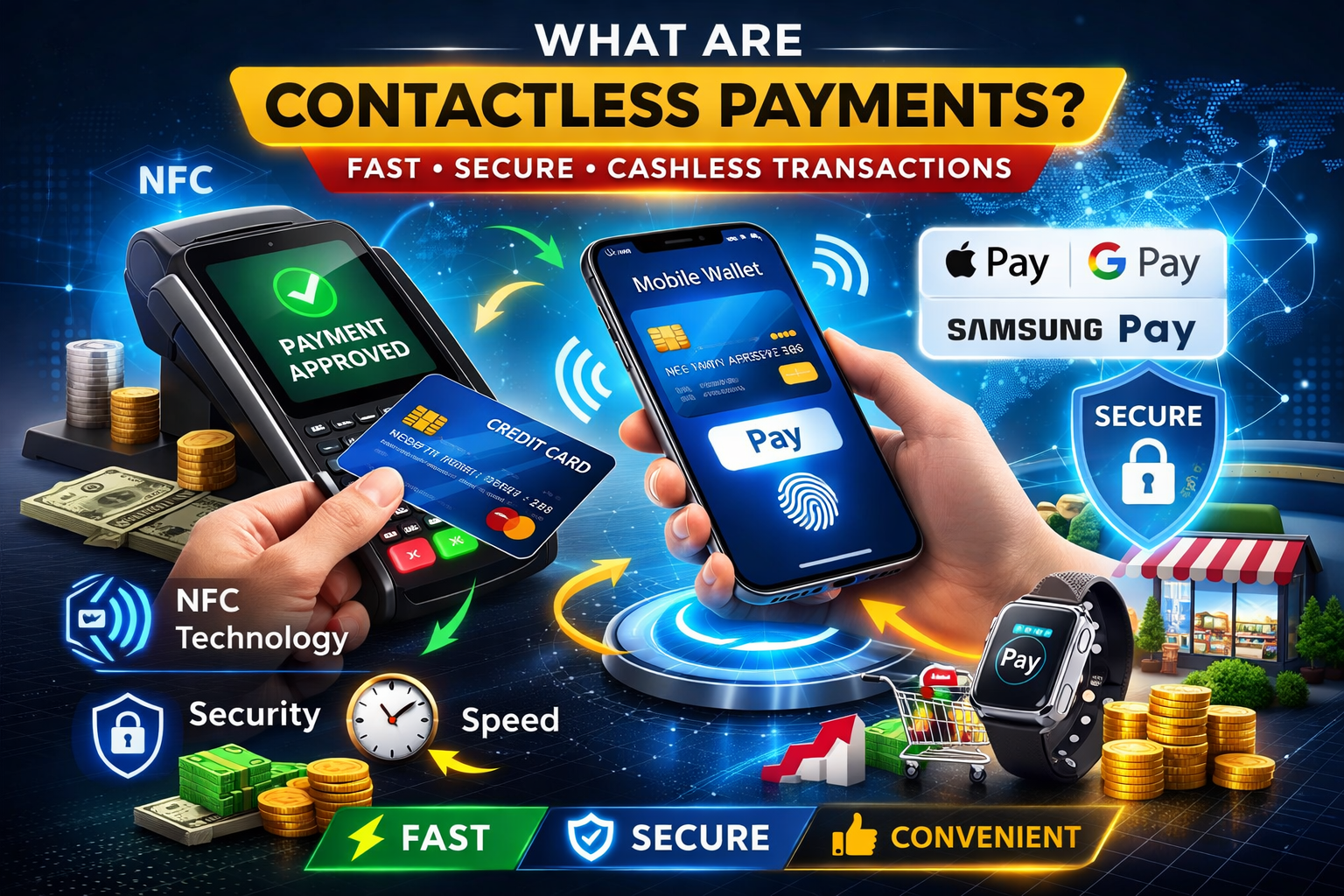
Contactless payments rely primarily on Near Field Communication (NFC) technology, which enables devices to communicate when they are placed close together. When you tap your card or mobile device, encrypted payment information is transmitted securely to the merchant’s point-of-sale system and processed through global payment networks such as Visa and Mastercard.
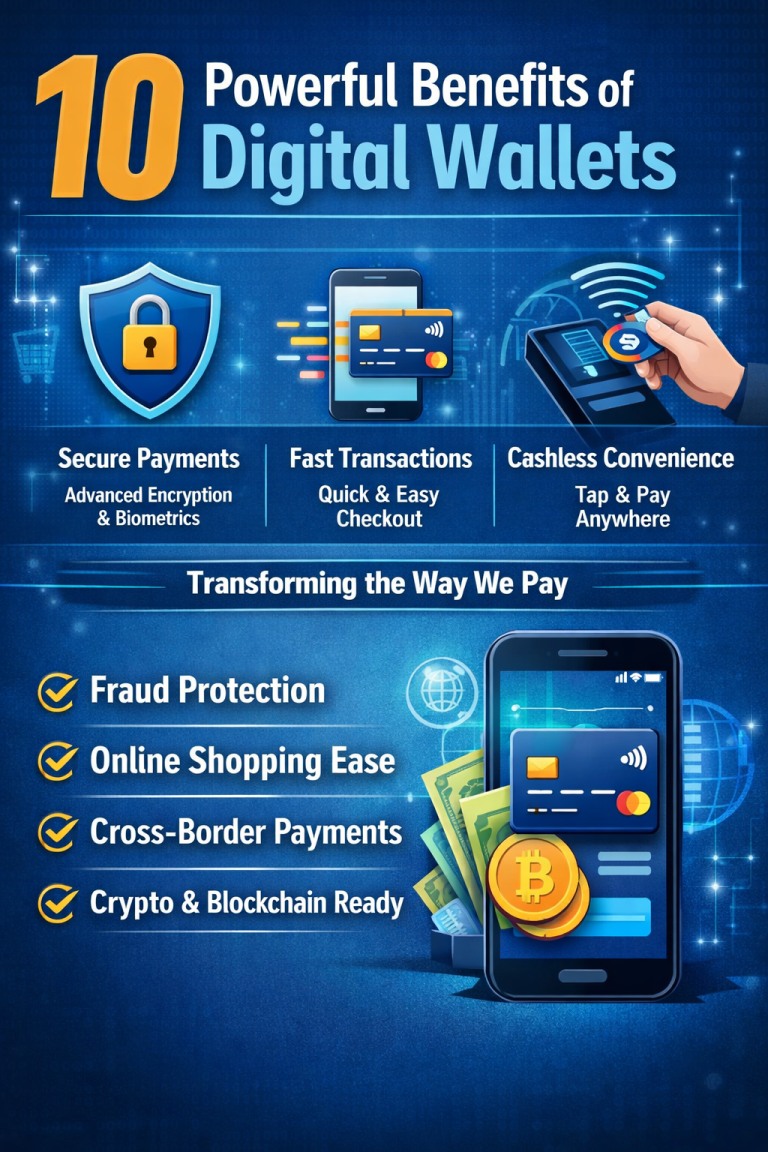
Mobile wallet platforms like Apple Pay, Google Pay, and Samsung Pay have accelerated the adoption of contactless payments worldwide. These digital wallets store encrypted versions of your payment cards and use biometric authentication, such as fingerprint scanning or facial recognition, to authorise transactions. This adds an extra layer of payment security and fraud prevention.
One of the biggest advantages of contactless payments is convenience. Transactions are processed faster than traditional chip-and-PIN methods, reducing checkout times in retail stores, restaurants, and public transportation systems. Additionally, contactless payments enhance digital transaction security through tokenisation, meaning your actual card number is never shared with merchants.
As global economies continue shifting toward cashless transactions, contactless payments are becoming a key driver of financial technology (fintech) innovation. Businesses benefit from faster transaction processing, reduced fraud risks, and improved customer satisfaction, while consumers enjoy a seamless and secure payment experience.
In today’s digital economy, contactless payments represent the future of secure, convenient, and efficient financial transactions.
How Contactless Payment Technology Works
Contactless payments operate using advanced NFC (Near Field Communication) technology, which allows two devices to exchange data securely when they are placed close together—typically within a few centimetres. When a customer taps their contactless card, smartphone, or wearable device on a compatible payment terminal, the device communicates wirelessly with the merchant’s point-of-sale (POS) system to initiate the transaction.
The process begins with an embedded EMV chip inside the contactless card or a secure digital token stored in a mobile wallet. Instead of transmitting the actual card number, the system generates a unique, encrypted transaction code known as ‘tokenisation’. This one-time code protects sensitive financial information from fraud or data breaches.
The encrypted payment data is then sent through secure payment networks such as Visa and Mastercard for authorisation. Within seconds, the issuing bank verifies the transaction and approves or declines the payment. The entire process typically takes less than five seconds, making contactless payments one of the fastest transaction methods available.
Mobile wallets like Apple Pay, Google Pay, and Samsung Pay add an additional security layer by requiring biometric authentication, such as fingerprint scanning, PIN codes, or facial recognition, before completing a transaction.
Because contactless payment technology uses dynamic encryption, each transaction generates a new security code, significantly reducing the risk of fraud, card cloning, and identity theft. This combination of speed, encryption, and multi-layer authentication makes contactless payments both convenient and highly secure for everyday transactions.
Security Features That Protect Users
Security is one of the biggest reasons contactless payments have gained widespread trust and adoption worldwide. Modern digital payment systems are built with multiple layers of protection to safeguard users from fraud, identity theft, and unauthorised transactions.
One of the core security features behind contactless payments is tokenisation. Instead of transmitting your real card number during a transaction, the system generates a unique, encrypted digital token. This token is useless to hackers because it cannot be reused or traced back to your actual banking details. Payment networks such as Visa and Mastercard use advanced encryption standards to ensure every transaction remains secure.
Another powerful security layer is dynamic encryption. Each time you tap your card or mobile device, a one-time transaction code is created. Even if someone intercepted the data, it could not be used again. This significantly reduces the risk of card cloning and payment fraud.
Mobile wallet platforms like Apple Pay, Google Pay, and Samsung Pay further enhance security through biometric authentication. Before approving a transaction, users must verify their identity using fingerprint scanning, facial recognition, or a secure PIN. This ensures that even if a device is lost or stolen, unauthorised payments cannot be made.
Additionally, most banks offer real-time transaction alerts, fraud monitoring systems, and zero-liability protection policies. These systems automatically detect suspicious activity and notify customers instantly.
With advanced encryption, biometric verification, and continuous fraud monitoring, contactless payments provide a highly secure environment for everyday digital transactions, making them safer than traditional magnetic stripe cards.
Benefits for Consumers
Contactless payments offer numerous advantages for consumers, making them one of the most convenient and secure payment methods in today’s digital economy. As more retailers, restaurants, and service providers adopt tap-to-pay technology, consumers are experiencing faster, smoother, and more secure transactions.
One of the biggest benefits of contactless payments is speed. Transactions are completed in seconds with a simple tap of a card, smartphone, or smartwatch. This significantly reduces checkout times compared to traditional chip-and-PIN or cash payments. In busy environments such as supermarkets, fuel stations, and public transportation systems, faster processing improves overall customer experience.
Another major advantage is enhanced convenience. Consumers no longer need to carry large amounts of cash or insert their cards into payment terminals. Mobile wallets like Apple Pay, Google Pay, and Samsung Pay allow users to store multiple cards digitally, making it easy to switch between debit cards, credit cards, or even loyalty cards during checkout.
Security is also a key consumer benefit. Contactless payments use encrypted tokenisation and biometric authentication, reducing the risk of fraud and card cloning. Since users maintain control of their card or device during the transaction, the chances of data theft are minimised.
Additionally, contactless payments integrate seamlessly with digital banking apps, enabling consumers to track spending in real time, receive instant transaction alerts, and manage their finances more efficiently. Many banks and payment networks such as Visa and Mastercard also offer cashback rewards and purchase protection programmes.
Overall, contactless payments provide consumers with speed, security, flexibility, and a more streamlined payment experience in an increasingly cashless world.
Benefits for Businesses and Merchants
Contactless payments provide significant advantages for businesses and merchants looking to improve efficiency, increase revenue, and enhance customer satisfaction. As consumer demand for fast and secure digital transactions continues to grow, adopting contactless payment technology has become a competitive necessity for modern businesses.
One of the primary benefits is faster checkout processing. Tap-to-pay transactions are completed in seconds, reducing long queues and improving overall customer flow. In high-traffic environments such as supermarkets, restaurants, fuel stations, and retail stores, faster transactions translate into serving more customers within the same timeframe — ultimately increasing daily sales volume.
Another major advantage is improved customer experience. Consumers prefer quick, seamless payment options, and businesses that offer contactless payments through platforms like Apple Pay, Google Pay, and Samsung Pay are more likely to attract tech-savvy and convenience-driven customers.
Security is also a key benefit for merchants. Contactless payments use tokenization and encrypted transaction codes processed through trusted networks such as Visa and Mastercard. This reduces the risk of chargebacks, card fraud, and data breaches, protecting both businesses and their customers.
Additionally, digital transactions reduce the need for cash handling, minimizing errors, theft risks, and administrative costs. Businesses can also gain access to real-time sales data and analytics, helping them make informed decisions about inventory, pricing, and customer trends.
By implementing contactless payment solutions, merchants benefit from higher transaction efficiency, enhanced security, reduced operational costs, and increased customer loyalty in today’s rapidly evolving digital economy.
The Rise of Mobile Wallets and Fintech Innovation
The rapid growth of contactless payments is closely linked to the rise of mobile wallets and financial technology (fintech) innovation. Over the past decade, smartphones have become powerful financial tools, allowing users to store debit cards, credit cards, and even digital assets securely within mobile applications. This shift has transformed how consumers interact with money and complete transactions.
Mobile wallet platforms such as Apple Pay, Google Pay, and Samsung Pay have played a major role in accelerating contactless payment adoption worldwide. These platforms use NFC technology, tokenization, and biometric authentication to ensure fast and secure digital transactions. With just a tap of a smartphone or smartwatch, users can pay for goods and services without carrying physical cards.
Fintech companies are also introducing innovative features that go beyond simple tap-to-pay functionality. Today’s digital payment ecosystems support peer-to-peer transfers, QR code payments, cross-border transactions, subscription management, and integration with budgeting and investment apps. This expansion has made contactless payments more versatile and appealing to both consumers and businesses.
In emerging markets, mobile wallets are driving financial inclusion by providing banking access to individuals without traditional bank accounts. In countries across Africa, Asia, and Latin America, fintech solutions are bridging gaps in financial infrastructure and enabling millions to participate in the digital economy.
As smartphone penetration increases and internet connectivity improves globally, the synergy between mobile wallets and fintech innovation will continue shaping the future of contactless payments, pushing the world closer to a fully cashless society.
Contactless Payments and E-Commerce Growth
The expansion of contactless payments has significantly contributed to the rapid growth of e-commerce worldwide. As online shopping becomes more popular, consumers increasingly expect fast, seamless, and secure checkout experiences. Contactless and digital wallet integrations help meet this demand by simplifying payment processes and reducing friction during transactions.
Modern e-commerce platforms now integrate payment options such as Apple Pay, Google Pay, and Samsung Pay to enable one-click or tap-to-confirm purchases. These systems eliminate the need for manually entering card details, which reduces checkout time and lowers cart abandonment rates — a critical factor in improving online sales conversions.
Security is another major advantage driving e-commerce growth. Contactless payment technology uses tokenization and encrypted transaction processing through trusted networks like Visa and Mastercard. This minimizes fraud risks and enhances consumer trust when shopping online.
High-revenue industries such as online retail, SaaS subscriptions, digital advertising, travel booking, and online gaming benefit greatly from streamlined digital payment processing. Faster authorization means businesses receive payments quickly, improving cash flow and operational efficiency.
Additionally, mobile-first shopping trends have made contactless payments even more important. As more consumers shop via smartphones and tablets, digital wallets provide a frictionless experience optimized for smaller screens.
Overall, contactless payments play a vital role in boosting e-commerce performance by increasing transaction speed, strengthening cybersecurity, and enhancing the overall customer journey in the digital marketplace.
Contactless Payments in Public Transportation
Contactless payments have revolutionized public transportation systems by making fare payments faster, easier, and more efficient. Instead of purchasing physical tickets or reloading transit cards, passengers can simply tap their contactless debit card, credit card, smartphone, or wearable device at entry gates or onboard validators.
Major cities around the world have adopted tap-to-pay systems to streamline commuter experiences. Payment networks such as Visa and Mastercard support secure transit transactions, ensuring that fares are processed quickly and safely. Mobile wallet platforms like Apple Pay and Google Pay allow riders to pay directly from their smartphones without needing separate transport cards.
One of the biggest advantages of contactless payments in public transportation is speed and efficiency. During peak hours, reducing transaction time at gates helps prevent congestion and long queues. The tap-and-go system improves passenger flow and enhances the overall commuting experience.
Security is also a key benefit. Contactless transit payments use encrypted tokenization technology, meaning actual card details are never shared with transit operators. This reduces fraud risk and protects passengers’ financial information.
For transportation authorities, contactless payment systems provide access to real-time data analytics. Operators can monitor passenger trends, optimize routes, and improve service planning using digital transaction data. Additionally, eliminating paper tickets lowers operational costs and supports environmentally friendly initiatives.
As cities move toward smart infrastructure and digital transformation, contactless payments are becoming an essential component of modern public transportation systems worldwide.
Global Adoption Trends and Market Growth
The global adoption of contactless payments has accelerated rapidly over the past decade, driven by technological innovation, increased smartphone usage, and growing consumer demand for secure digital transactions. As more countries shift toward cashless economies, contactless payment systems are becoming a standard feature in retail, hospitality, transportation, and e-commerce sectors.
Developed markets such as the United States and United Kingdom have seen widespread integration of tap-to-pay technology across supermarkets, restaurants, and transit systems. Meanwhile, emerging economies like Ghana are experiencing rapid growth in mobile wallet adoption, fueled by fintech innovation and expanding digital banking infrastructure.
Payment networks including Visa and Mastercard report continuous increases in contactless transaction volumes each year. The expansion of 5G connectivity, improved cybersecurity frameworks, and broader merchant acceptance have further strengthened market growth.
The COVID-19 pandemic also played a significant role in accelerating adoption, as consumers and businesses sought safer, touch-free payment options. This shift in behavior has had a lasting impact, with many users permanently transitioning away from cash.
Industry forecasts suggest that the contactless payment market will continue expanding globally, supported by advancements in biometric authentication, artificial intelligence fraud detection, and digital banking services. As financial institutions invest more in secure payment infrastructure, contactless payments are expected to dominate global transaction methods in the coming years.
Global Adoption Trends and Market Growth
The global adoption of contactless payments has accelerated rapidly over the past decade, driven by technological innovation, increased smartphone usage, and growing consumer demand for secure digital transactions. As more countries shift toward cashless economies, contactless payment systems are becoming a standard feature in retail, hospitality, transportation, and e-commerce sectors.
Developed markets such as the United States and United Kingdom have seen widespread integration of tap-to-pay technology across supermarkets, restaurants, and transit systems. Meanwhile, emerging economies like Ghana are experiencing rapid growth in mobile wallet adoption, fueled by fintech innovation and expanding digital banking infrastructure.
Payment networks including Visa and Mastercard report continuous increases in contactless transaction volumes each year. The expansion of 5G connectivity, improved cybersecurity frameworks, and broader merchant acceptance have further strengthened market growth.
The COVID-19 pandemic also played a significant role in accelerating adoption, as consumers and businesses sought safer, touch-free payment options. This shift in behavior has had a lasting impact, with many users permanently transitioning away from cash.
Industry forecasts suggest that the contactless payment market will continue expanding globally, supported by advancements in biometric authentication, artificial intelligence fraud detection, and digital banking services. As financial institutions invest more in secure payment infrastructure, contactless payments are expected to dominate global transaction methods in the coming years.
The Future of Contactless Payments
The future of contactless payments is poised for significant innovation as financial technology continues to evolve. With increasing global demand for faster, safer, and more convenient digital transactions, contactless payment systems are expected to become the dominant method of payment across industries.
One major trend shaping the future is the advancement of biometric authentication. Mobile wallets such as Apple Pay, Google Pay, and Samsung Pay already use fingerprint and facial recognition technology, but future systems may rely entirely on biometric verification without the need for physical cards or devices.
Artificial intelligence (AI) will also play a larger role in fraud detection and transaction monitoring. Payment networks like Visa and Mastercard are investing heavily in AI-powered security systems that analyze transaction patterns in real time to prevent suspicious activity before it occurs.
Another emerging development is the integration of wearable payment devices, including smartwatches, rings, and embedded payment chips. As Internet of Things (IoT) technology expands, everyday objects may become secure payment tools.
Additionally, blockchain technology and central bank digital currencies (CBDCs) could further transform contactless payment ecosystems by increasing transparency, reducing cross-border transaction costs, and improving financial inclusion.
As smartphone penetration grows and digital banking adoption rises worldwide, contactless payments will continue to redefine how individuals and businesses exchange value. The future points toward a fully connected, secure, and cashless global economy driven by advanced payment technology.
Other stories
-
Digital Wallets: A Convenient and Secure Way to Make Transactions
-
Online Banking Platforms: A Convenient and Secure Way to Manage Your Finances
-
Mobile Banking Apps: A Convenient and Secure Way to Manage Your Finances
-
Investment Advice: A Comprehensive Guide to Making Informed Investment Decisions
-
Concierge Service Credit Card Benefits: Personalized Assistance