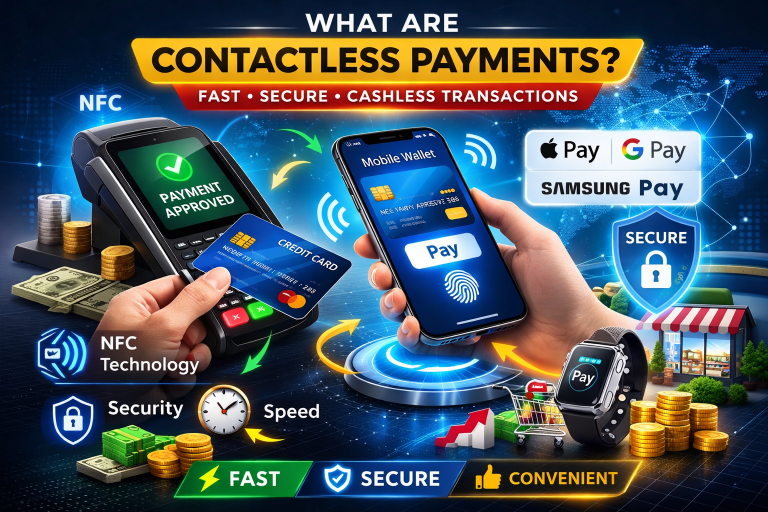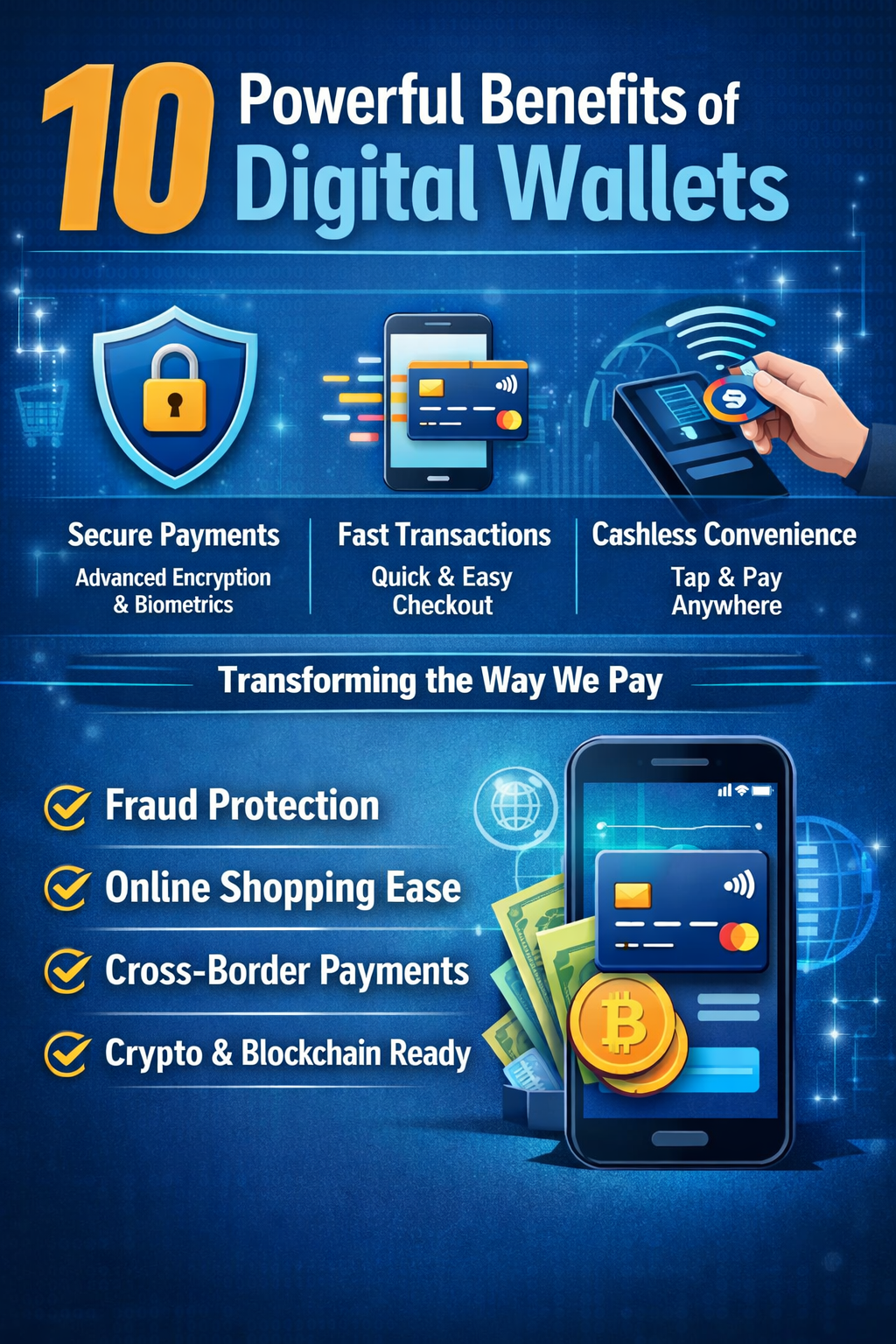
Digital wallets are transforming how consumers and businesses handle money in today’s fast-growing cashless economy. With secure mobile payment apps, encrypted transaction processing, and instant online transfers, digital wallets provide a fast, convenient, and secure way to complete transactions. Platforms like Apple Pay, Google Pay, PayPal, and Samsung Pay are leading the global shift toward contactless payments, online banking security, and fraud protection technology. As fintech innovation expands across markets such as Ghana and the United States, digital wallets are becoming essential for secure online payments, e-commerce transactions, and peer-to-peer money transfers.
What Are Digital Wallets?
Digital wallets are secure electronic payment systems that allow users to store financial information such as credit cards, debit cards, bank account details, and even cryptocurrencies in one convenient mobile or web-based application. Digital wallets eliminate the need to carry physical cash or multiple cards, making transactions faster, safer, and more efficient in today’s digital economy.
Digital wallets work by using advanced technologies such as encryption, tokenisation, and Near Field Communication (NFC) to process payments securely. Instead of sharing actual card numbers during a transaction, digital wallets generate unique encrypted codes to protect sensitive financial data. This added layer of online payment security significantly reduces the risk of fraud and identity theft.
Major platforms like Apple Pay, Google Pay, PayPal, and Samsung Pay have accelerated the global adoption of digital wallets. These services allow users to make contactless payments in stores, complete one-click online purchases, send peer-to-peer transfers, and manage recurring subscriptions.
One of the key benefits of digital wallets is enhanced security. Most digital wallets include biometric authentication, such as fingerprint scanning or facial recognition, along with two-factor authentication (2FA) and real-time fraud monitoring. These security measures make digital wallets safer than traditional magnetic stripe cards.
Businesses also benefit from digital wallets by improving checkout speed, increasing conversion rates, and reducing cart abandonment in e-commerce. Payment networks like Visa and Mastercard support digital wallet transactions worldwide, strengthening the infrastructure behind secure digital payments.
As fintech innovation continues to grow, digital wallets are becoming essential tools in mobile banking, online shopping, and global financial inclusion. In a rapidly evolving cashless society, digital wallets represent the future of convenient and secure transactions.
How Digital Wallets Work
Digital wallets use advanced financial technology to process secure electronic payments quickly and efficiently. When a user adds a credit card, debit card, or bank account to a digital wallet, the system encrypts that information and stores it securely. Instead of transmitting the actual card number during a transaction, digital wallets rely on tokenisation, which replaces sensitive data with a unique, randomly generated token. This token is used to complete the payment, keeping the original financial details protected.
Most digital wallets operate using Near Field Communication (NFC) technology for contactless in-store payments. When a user taps their smartphone or smartwatch on a compatible payment terminal, the wallet communicates wirelessly with the point-of-sale system to authorise the transaction. For online purchases, digital wallets enable one-click checkout by securely authenticating the user without requiring manual card entry.
Security is a key component of how digital wallets work. Platforms like Apple Pay and Google Pay use biometric authentication methods such as fingerprint scanning or facial recognition before approving transactions. This ensures that only the authorised user can access the stored payment information.
Transactions are processed through established payment networks such as Visa and Mastercard, which verify and authorise payments within seconds. The encrypted communication between the wallet, merchant, and bank adds multiple layers of fraud protection.
By combining encryption, tokenisation, biometric verification, and secure payment processing, digital wallets provide a seamless and highly secure way to complete both online and contactless transactions in today’s digital economy.
Types of Digital Wallets
Digital wallets are categorised into three main types based on how and where they can be used: closed wallets, semi-closed wallets, and open wallets. Understanding these types helps users and businesses choose the right digital wallet solution for secure online payments and mobile transactions.
Closed Digital Wallets
Closed digital wallets are issued by a specific company and can only be used for transactions within that company’s ecosystem. For example, some e-commerce platforms provide wallets that allow customers to store funds and make purchases exclusively on their website. These wallets are commonly used for refunds, cashback rewards, and loyalty programmes.
Semi-Closed Digital Wallets
Semi-closed digital wallets can be used at multiple merchants that have agreements with the wallet provider. Users can make online payments, pay utility bills, or shop at partner stores. However, these wallets may not allow direct cash withdrawals. Platforms like PayPal operate as semi-closed wallets in many regions, supporting secure e-commerce transactions and peer-to-peer transfers.
Open Digital Wallets
Open digital wallets offer the highest level of flexibility. Issued in partnership with banks or financial institutions, open wallets allow users to make payments, transfer money, and withdraw cash from ATMs. Services integrated with major payment networks like Visa and Mastercard typically function as open wallets. Examples include Apple Pay and Samsung Pay.
Each type of digital wallet plays a crucial role in the expanding fintech ecosystem, offering varying levels of accessibility, security, and convenience for digital transactions worldwide.
Security Features of Digital Wallets
Its designed with advanced security systems to protect users from fraud, identity theft, and unauthorised transactions. As online payments and mobile banking continue to grow, strong security features have become a critical component of every reliable digital wallet.
One of the primary security technologies used in digital wallets is encryption. When users store their credit card or bank details, the information is converted into encrypted data that cannot be easily accessed by hackers. In addition, digital wallets use tokenisation, which replaces actual card numbers with randomly generated tokens during transactions. This ensures that sensitive financial data is never directly shared with merchants.
Another important feature is biometric authentication. Platforms like Apple Pay and Google Pay require fingerprint scanning, facial recognition, or device PIN verification before approving payments. This adds an extra layer of protection beyond traditional passwords.
Many digital wallets also include two-factor authentication (2FA), requiring users to confirm their identity through a second verification method, such as a one-time code sent via SMS or email. Real-time fraud detection systems monitor unusual transaction patterns and instantly alert users of suspicious activity.
Transactions are processed securely through trusted payment networks like Visa and Mastercard, ensuring compliance with global financial security standards.
By combining encryption, tokenisation, biometric verification, and fraud monitoring, digital wallets provide a highly secure payment environment. These robust security features make digital wallets one of the safest methods for conducting online and contactless transactions in today’s digital economy.
Benefits of Digital Wallets for Consumers
Digital wallets offer numerous advantages for consumers, making everyday transactions faster, safer, and more convenient. As mobile payments and online shopping continue to grow, digital wallets have become an essential financial tool for modern users.
One of the biggest benefits of digital wallets is convenience. Users can store multiple credit cards, debit cards, and bank account details in a single secure app. This eliminates the need to carry physical wallets or manually enter payment details for online purchases. With just a tap or click, transactions can be completed within seconds.
Another major advantage of digital wallets is enhanced security. Features such as encryption, tokenization, biometric authentication, and two-factor authentication (2FA) protect users from fraud and identity theft. Platforms like Apple Pay and Google Pay require fingerprint or facial recognition before approving payments, adding an extra layer of protection.
Digital wallets also support contactless payments, allowing users to pay quickly at stores using smartphones or smartwatches. This not only speeds up checkout but also reduces physical contact, improving hygiene and safety.
Additionally, digital wallets help consumers manage their finances more effectively. Many apps provide transaction history, spending summaries, and instant notifications for every purchase. Services like PayPal also enable secure peer-to-peer transfers, making it easy to send or receive money.
Overall, digital wallets combine speed, security, and financial control, offering consumers a smarter and more efficient way to handle digital transactions in today’s cashless economy.
Benefits of Digital Wallets for Businesses
Its provide significant advantages for businesses by improving payment efficiency, increasing revenue opportunities, and enhancing customer experience. As consumers increasingly prefer mobile payments and contactless transactions, accepting digital wallets has become essential for modern retailers and online merchants.
One of the primary benefits of digital wallets for businesses is faster checkout processing. Contactless payments reduce transaction time compared to traditional cash or card swipes, leading to shorter queues and improved customer satisfaction. Quick and seamless payment experiences often encourage repeat purchases.
Digital wallets also help businesses increase e-commerce conversion rates. One-click checkout options reduce cart abandonment by eliminating the need for customers to manually enter card details. Platforms such as PayPal and Apple Pay allow customers to complete purchases instantly, improving overall sales performance.
Security is another major advantage. Digital wallets use encryption and tokenization to protect transaction data, reducing the risk of chargebacks and fraudulent activities. Payments processed through trusted networks like Visa and Mastercard comply with global security standards, providing additional protection for merchants.
Furthermore, digital wallets enable businesses to access valuable customer insights. Transaction data can help analyze purchasing behavior, optimize marketing strategies, and improve personalized promotions. Many wallet platforms also integrate loyalty programs, cashback offers, and promotional tools that strengthen customer retention.
By adopting digital wallets, businesses can streamline operations, enhance security, and meet the growing demand for fast and secure digital payment solutions in today’s competitive marketplace.
Digital Wallets and E-Commerce Growth
Digital wallets play a major role in accelerating e-commerce growth worldwide. As online shopping continues to expand, consumers demand fast, secure, and hassle-free payment options. Digital wallets meet this demand by offering seamless checkout experiences that reduce friction during online transactions.
One of the biggest challenges in e-commerce is cart abandonment, often caused by lengthy checkout processes. Digital wallets solve this problem through one-click payments, auto-filled billing details, and instant authentication. Services like PayPal and Google Pay allow customers to complete purchases without repeatedly entering card information, significantly increasing conversion rates.
Security also drives e-commerce adoption. Digital wallets use tokenization and encryption to protect sensitive financial data, building customer trust. When shoppers see trusted payment options such as Apple Pay at checkout, they are more likely to finalize their purchase.
Additionally, digital wallets support cross-border transactions, enabling global customers to shop easily without currency barriers. Integration with major payment networks like Visa and Mastercard ensures secure international payment processing.
Mobile commerce (m-commerce) is another area where digital wallets have a strong impact. As more consumers shop using smartphones, mobile-friendly wallet solutions provide quick authentication through biometric verification, enhancing user experience.
Overall, digital wallets are a driving force behind modern e-commerce growth, improving checkout speed, increasing security, and helping businesses scale in the rapidly evolving digital marketplace.
Cryptocurrency and Blockchain Integration
Digital wallets are evolving beyond traditional payment storage by integrating cryptocurrency and blockchain technology. As digital assets gain mainstream attention, many digital wallets now allow users to store, send, and receive cryptocurrencies alongside traditional payment methods.
Cryptocurrency-enabled digital wallets support assets like Bitcoin and Ethereum, enabling secure peer-to-peer transactions without relying solely on traditional banking systems. These wallets use blockchain technology to record transactions on a decentralized ledger, increasing transparency and reducing the risk of fraud.
One major advantage of blockchain integration is enhanced security. Transactions are verified through cryptographic processes, making them extremely difficult to alter or counterfeit. This level of security aligns with the core benefits of digital wallets, such as encryption and tokenization, further strengthening digital payment protection.
Additionally, some digital wallets now support decentralized finance (DeFi) services, allowing users to participate in staking, lending, and other blockchain-based financial activities. This expands the functionality of digital wallets beyond simple payments into broader digital asset management.
Businesses are also beginning to accept cryptocurrency payments through digital wallets, opening new opportunities for global transactions without currency conversion barriers. As fintech innovation continues to grow, the integration of blockchain technology positions digital wallets at the forefront of the digital finance revolution.
With increasing adoption of cryptocurrencies and digital assets worldwide, digital wallets are becoming powerful tools for managing both traditional and blockchain-based financial transactions securely and efficiently.
Global Adoption and Market Trends
Digital wallets are experiencing rapid global adoption as consumers and businesses shift toward cashless and contactless payment solutions. The growing demand for secure online payments, mobile banking, and fintech innovation has accelerated the expansion of digital wallets across both developed and emerging markets.
In countries like United States and China, its have become a mainstream payment method, widely accepted in retail stores, restaurants, and e-commerce platforms. Mobile payment ecosystems in these regions have significantly reduced reliance on physical cash.
Emerging markets are also witnessing strong growth. In Ghana and other African nations, increasing smartphone penetration and improved internet access are driving digital financial inclusion. Mobile money services and digital wallets are helping millions of people access banking services without traditional bank accounts.
Another major trend shaping the market is the rise of contactless payments and biometric authentication. Consumers prefer fast, secure transactions that minimize physical interaction, especially in urban retail environments. Businesses are responding by upgrading payment terminals to support NFC-enabled digital wallets.
Additionally, the global expansion of e-commerce and cross-border trade continues to fuel digital wallet adoption. Integration with international payment networks like Visa and Mastercard allows seamless international transactions.
As fintech investment increases and digital banking services evolve, digital wallets are expected to remain a dominant force in the global financial ecosystem, reshaping how people send, receive, and manage money worldwide.
The Future of Digital Wallets
Its are set to play an even bigger role in the future of global finance as technology continues to evolve. With the rapid growth of fintech innovation, artificial intelligence, and blockchain technology, digital wallets are becoming more advanced, secure, and versatile.
One major development is the integration of AI-powered fraud detection systems. These systems analyze transaction patterns in real time to identify suspicious activity and prevent financial fraud before it occurs. This will further strengthen the security framework of digital wallets and enhance user trust.
Biometric authentication is also expected to expand beyond fingerprint and facial recognition. Future it may rely on advanced identity verification methods such as voice recognition and behavioral biometrics. Platforms like Apple Pay and Google Pay are already leading innovation in secure mobile payment authentication.
Another key trend is the potential adoption of Central Bank Digital Currencies (CBDCs). Governments worldwide are exploring digital versions of national currencies, which could be stored and managed within digital wallets. This would create a seamless bridge between traditional banking systems and digital finance.
Wearable payment devices, including smartwatches and other connected technology, are also shaping the future of contactless transactions. Integration with major payment networks such as Visa and Mastercard will continue to support global acceptance.
As mobile commerce, cryptocurrency adoption, and online banking expand, digital wallets will become central to how individuals and businesses conduct secure digital transactions. The future points toward a fully integrated, cashless financial ecosystem powered by advanced digital wallet technology.
Other stories
-
Online Banking Platforms: A Convenient and Secure Way to Manage Your Finances
-
Mobile Banking Apps: A Convenient and Secure Way to Manage Your Finances
-
Trading Platforms: A Comprehensive Guide to Buying and Selling Securities
-
Portfolio Management: A Comprehensive Guide to Managing Your Investments
-
Travel Insurance Credit Card Benefits: Protecting Your Journey