
Visit MyGHPages for Ghana business and national news.
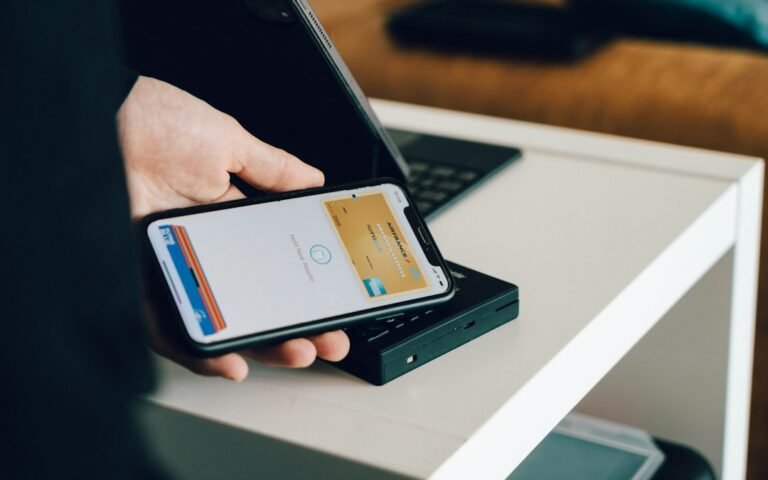
The Bank of Ghana is testing ways to make cross-border payments work across different financial systems, including bank accounts, mobile wallets, central bank digital currencies and stablecoins. The initiative is designed to explore whether money can move between countries more efficiently without relying on correspondent banks outside Africa for every transaction. The Ghana News Agency reported the development on October 13, 2026, following comments by Bank of Ghana Governor Dr Johnson Pandit Asiama at the IMF and World Bank meetings in Bangkok.
What the pilot is trying to achieve
Cross-border payments can be complicated when the sender and recipient use different banks, currencies or payment platforms. A business in Ghana paying a supplier in Nigeria may face intermediary steps, fees and delays. The Bank of Ghana says the pilot is intended to test interoperability: the ability of different payment systems to communicate and settle transactions securely.
The Ghana–Nigeria corridor is particularly relevant because mobile money is widely used by consumers and small businesses. The central bank has also extended the Pan-African Payment and Settlement System, known as PAPSS, to mobile wallets in that corridor. PAPSS is intended to support payments across African markets using participating financial institutions and settlement arrangements.
Does this mean every transfer will become instant and free?
No. The announcement describes testing and an ambition to move towards live services; it does not mean that every customer can already send money instantly across all providers. Availability will depend on participating institutions, technical integration, compliance checks, fees and the final service design. Customers should continue using approved channels and check the terms shown by their provider.
It is also important not to confuse a pilot involving different types of digital money with a declaration that one technology has been selected for universal use. The Governor said the future should not be defined by a single technology; the priority is to ensure that emerging systems are safe, efficient, resilient and inclusive.
Potential benefits for traders and small businesses
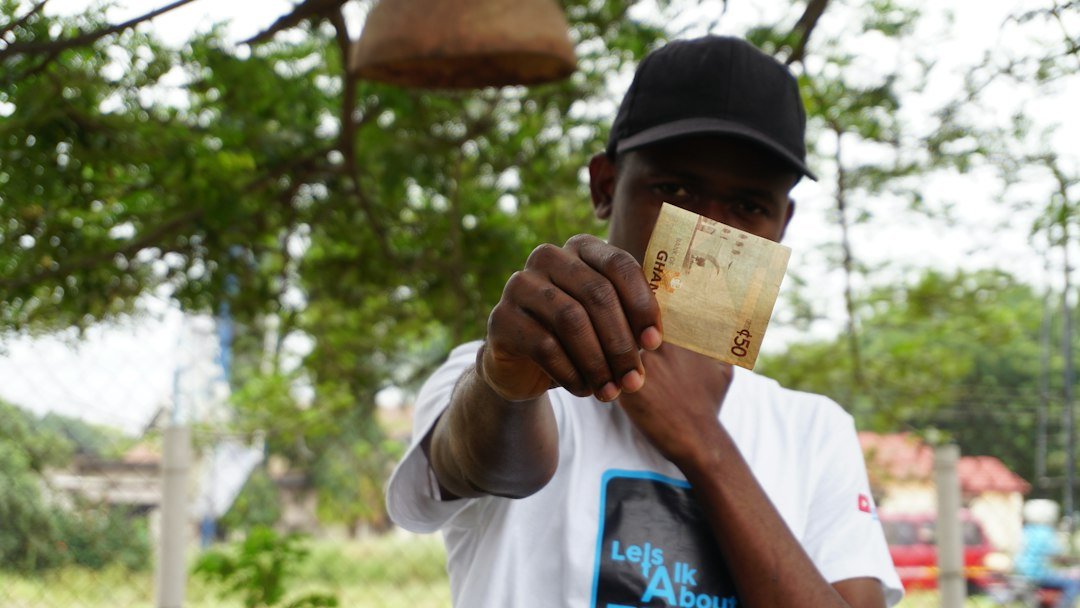
If the system eventually supports reliable, affordable payments, traders could benefit from fewer obstacles when paying suppliers or receiving funds from customers in participating countries. Smaller businesses may be particularly interested because even modest transfer fees can affect the margins on low-value transactions. Faster settlement may also help businesses manage working capital and plan inventory purchases.
However, businesses should not build a financial plan around an unlaunched service. They should compare the actual fees, exchange rates, settlement time and dispute procedures available through their current regulated providers. A low headline fee does not necessarily mean a lower total cost if the exchange rate or other charges are unfavourable.
Consumer safety remains essential
More connected payment systems also require strong safeguards. Users should confirm the recipient’s details before authorising a transfer, protect mobile money PINs and one-time codes, and avoid links sent by strangers claiming to offer early access to a new payment service. No legitimate provider should require a customer to disclose a PIN to a caller or social media account.
Consumers should keep receipts and transaction references, understand the provider’s process for reporting an incorrect transfer, and use official customer support channels. If a new cross-border product becomes available, users should verify that it is offered by a regulated provider before moving funds.
What happens next?
The next milestones are whether the pilot moves into live services, which providers participate, how pricing is disclosed and how customer protection works across borders. The central bank has also discussed regulatory cooperation and licence passporting with Rwanda and other countries, which could help fintech companies operate under more consistent rules.
For now, the announcement is a policy and technology development, not a guarantee of immediate access for every mobile money customer. The official report is available from the Ghana News Agency. MyGHPages will follow confirmed implementation details and explain what changes for consumers and businesses when services become available.