
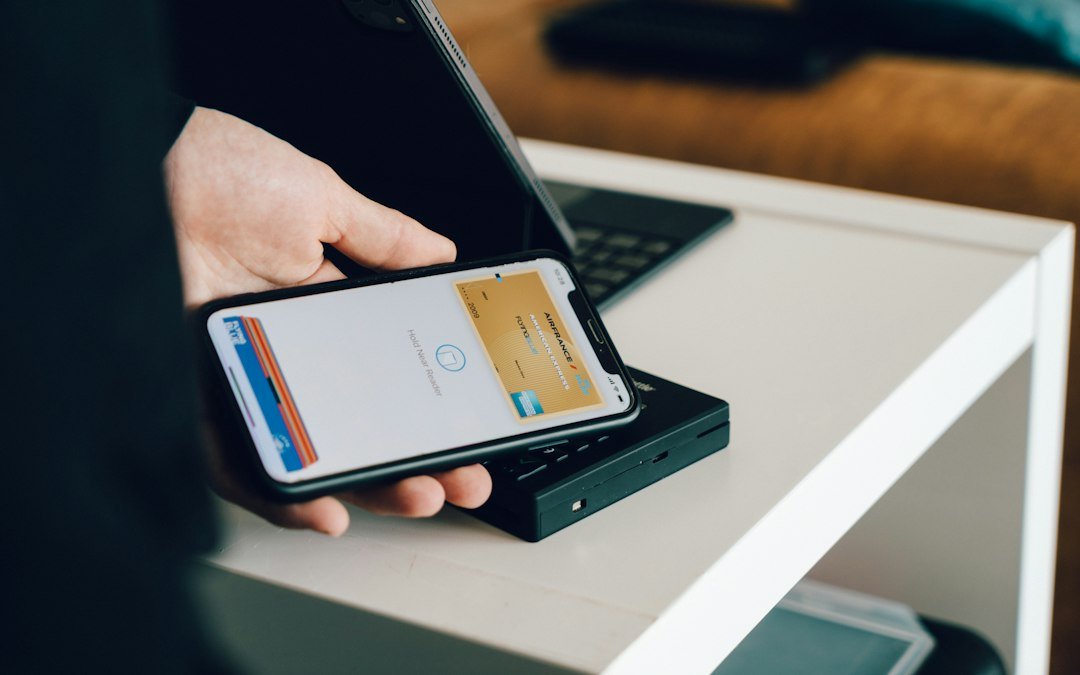
Digital payments can help a small business in Ghana receive money and keep sales moving, but each transaction has a cost and creates a record that should be reconciled. This guide focuses on practical administration: understanding provider charges, recording sales and reducing common payment risks. For customer communication and resolving delayed transactions, see our separate guide on building customer trust in digital payments.
Compare the full cost before choosing a payment method
Fees can vary by provider, account type, transaction size, settlement method and the terms in force when you use the service. Before choosing a product, check the provider’s current tariff for receiving payments, transferring funds, cashing out, refunds and any merchant or account charges. Do not assume that a fee quoted for a personal wallet also applies to a merchant account.
Estimate your monthly cost using your actual transaction pattern. For example, list the number and average value of payments you receive, how often you transfer funds, and any cash-out activity. Compare providers using the same assumptions and include the time staff spend reconciling transactions. This is more reliable than choosing a service based only on a headline fee.
Keep a daily payment record
Record each sale with the date, order or receipt number, amount due, payment method, transaction reference and order status. Keep customer information to the minimum needed for accounting and resolving disputes. At the end of the day, compare the sales record with the transactions shown in the official merchant app, wallet or bank statement.
Separate completed, pending, failed and reversed transactions. A payment message or screenshot should not be treated as final proof on its own; confirm the funds in the official account before marking an order as paid. If a payment is delayed, note the reference and follow the provider’s official process instead of repeatedly charging the customer.
Reconcile fees and settlement amounts
The amount credited to your account may differ from the sale total when the provider deducts a fee or when a settlement is pending. Record gross sales and fees separately so that the difference is understandable. Keep provider statements, receipts and business records together in a secure location, and use a consistent process for correcting mistakes.
At least weekly, review unexplained differences between sales records and account activity. Check for duplicate entries, reversed payments, refunds and transactions assigned to the wrong order. If the discrepancy remains unresolved, contact the provider through a verified support channel and keep the case reference.
Reduce common fraud risks
- Verify incoming funds through the official account or provider app rather than relying only on a screenshot or forwarded message.
- Never ask a customer to disclose a PIN, password or one-time authentication code.
- Confirm recipient details before sending refunds or making transfers, especially when someone requests a last-minute change.
- Restrict access to payment devices and records to staff who need them, and remove access when responsibilities change.
- Use strong device locks, keep apps and operating systems updated, and contact the provider promptly if a device or account may be compromised.
- Keep customer transaction evidence private; do not post phone numbers, balances or screenshots publicly.
Set a simple refund and dispute policy
Write down who can approve a refund, what evidence is needed, how the refund will be sent and how the outcome will be recorded. Confirm the original transaction and refund rules with the provider before returning money. Avoid sending a second payment to a different number just because a message claims the first transaction failed. If the payment status is unclear, check it first.
Choose a method that fits your business
A small shop with frequent low-value sales may prioritise speed and simple daily reconciliation. A business selling online may need clear order references, reliable payment confirmation and a way to match payments to deliveries. A service provider taking deposits may need a written cancellation and refund policy. In each case, test the workflow with a small number of transactions and make sure staff can explain it consistently.
Before you sign up
- Read the current provider tariff and terms.
- Check how to access statements and transaction references.
- Confirm settlement timing and the process for failed or reversed payments.
- Understand account security, dispute handling and refund rules.
- Check whether the product is intended for personal or merchant use.
Important: Fees, settlement times and dispute procedures change and differ by provider. This article does not quote a universal fee or recommend a specific provider. Verify current terms directly with your bank or payment service and consult an accountant or qualified adviser if you need advice for your particular business.