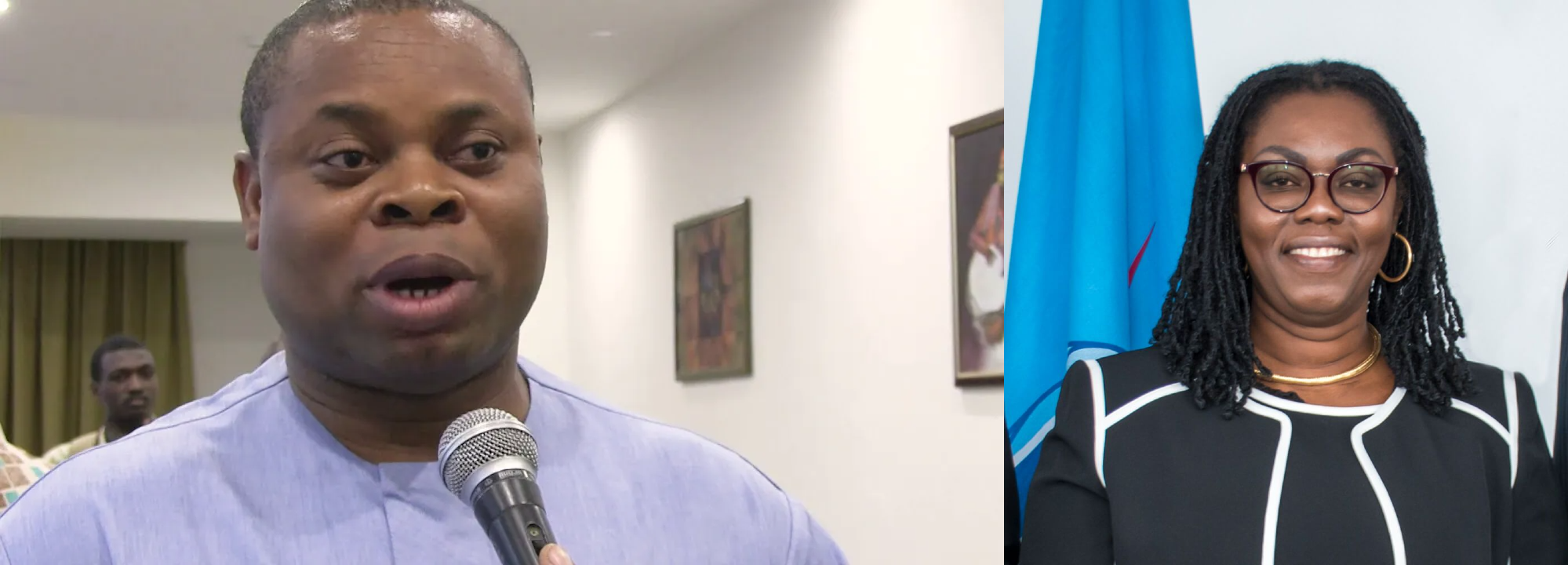
7 Key Issues in Franklin Cudjoe’s Ursula Owusu Criticism
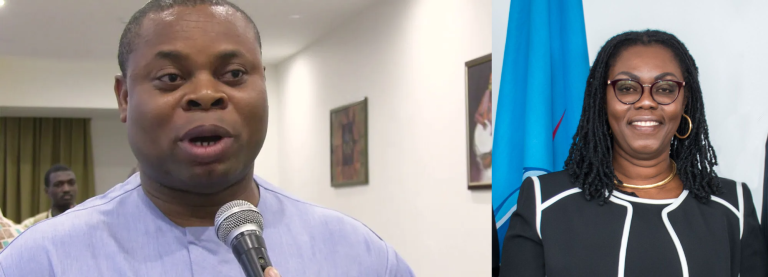
Policy analyst Franklin Cudjoe has sparked fresh political debate after questioning why Ursula Owusu-Ekuful is “walking around freely” amid ongoing public scrutiny. His comments have ignited conversations across Ghana’s political landscape, raising concerns about accountability, corruption investigations, and governance transparency. The controversy is quickly becoming a trending topic in Ghanaian political news, with citizens demanding clarity from government officials.
Below are 10 key sections breaking down the issue, reactions, and broader implications.
Franklin Cudjoe’s Statement Explained
Policy analyst Franklin Cudjoe has stirred significant public debate after questioning why Ursula Owusu-Ekuful is “walking around freely” despite ongoing public scrutiny. Under the focus keyword Franklin Cudjoe’s statement on Ursula Owusu, his remarks have become a trending topic in Ghanaian political news, sparking discussions about accountability, due process, and governance transparency.
The Franklin Cudjoe statement on Ursula Owusu appears to reflect broader public frustration regarding perceived delays in investigations involving high-profile political figures. In his commentary, Cudjoe suggested that if there are serious concerns or allegations, the appropriate state institutions should act decisively and transparently. His position emphasises the principle that public office holders must be subject to the same legal standards as ordinary citizens.
At the centre of the debate is the balance between accountability and due process. Ghana’s legal framework, like most democratic systems, operates on the principle of presumed innocence until proven guilty. This means that no individual can be restricted, arrested, or prosecuted without sufficient evidence and proper legal procedures. Legal experts argue that investigations require time, evidence gathering, and institutional review before any formal charges can be filed.
However, supporters of Cudjoe’s stance argue that visible progress in investigations helps maintain public trust. When high-ranking officials are involved in controversies, delays in communication can create perceptions of selective justice or political protection. This is why the Franklin Cudjoe statement on Ursula Owusu resonates strongly with citizens who prioritise transparency and anti-corruption measures.
Social media platforms have amplified the discussion, turning it into a broader conversation about governance standards and institutional independence. Whether or not formal investigations progress, the debate highlights ongoing concerns about political accountability in Ghana.
Ultimately, the situation underscores the importance of strong institutions, clear communication from authorities, and adherence to the rule of law to preserve public confidence in democratic governance.
Background of Ursula Owusu-Ekuful
Ursula Owusu-Ekuful is a well-known figure in Ghana’s political landscape, having served in prominent government positions and played an active role in national policy discussions. Her political career spans several years, during which she has built a reputation as a strong and outspoken leader within her party and in Parliament.
She has represented the Ablekuma West constituency and previously served as minister for communications and digitalisation, a role that placed her at the centre of Ghana’s telecommunications and digital transformation agenda. During her tenure, key initiatives such as digital registration systems, SIM card re-registration exercises, and cybersecurity policies gained significant public attention. Her position required close collaboration with regulatory bodies, telecom operators, and international partners.
Because of her high-profile responsibilities, Ursula Owusu-Ekuful has frequently been in the public eye. Supporters often credit her for advancing digital reforms, while critics have raised concerns about certain policies and their implementation. This mix of praise and criticism has kept her name prominent in Ghanaian political news.
The recent debate sparked by Franklin Cudjoe has renewed focus on her political record and public accountability. As a senior political figure, any controversy linked to her office naturally attracts national attention. Public officials at her level are typically subject to heightened scrutiny, particularly when allegations or public concerns emerge.
Understanding her background is essential to grasp why the issue has generated widespread discussion. Her influence, visibility, and policy impact make the current debate not just about one individual but about leadership standards, institutional processes, and governance transparency in Ghana.
The Allegations and Public Concerns
The controversy surrounding Ursula Owusu-Ekuful largely stems from public concerns and allegations that have circulated in political discussions and media commentary. While no court conviction has been announced, the debate has intensified due to calls for transparency and institutional accountability.
At the heart of the issue are claims that require clarification from the appropriate state agencies. Citizens and civil society observers argue that when questions arise involving high-ranking public officials, swift and transparent communication is essential to maintain trust. This is where the Franklin Cudjoe statement on Ursula Owusu gained traction, as it echoed broader public demands for clarity.
Public concerns often centre on whether investigations—if any are ongoing—are being handled independently and without political interference. In Ghana’s democratic system, institutions such as investigative bodies and the judiciary are expected to operate autonomously. However, delays or lack of public updates can create perceptions of inaction, even when procedures may be underway behind the scenes.
Another key concern involves equal application of the law. Many citizens believe that public officials should be held to the same legal standards as ordinary individuals. When allegations involve prominent political figures, scrutiny naturally increases because leadership positions come with higher ethical expectations.
It is important to emphasise that allegations alone do not constitute guilt. Ghana’s legal framework upholds the principle of presumed innocence until proven otherwise. Nonetheless, the public discourse reflects a desire for stronger accountability mechanisms and clearer communication from authorities.
Ultimately, the issue highlights ongoing national conversations about governance transparency, institutional independence, and the importance of maintaining public confidence in democratic leadership.
Government’s Response So Far
The government’s response to the controversy involving Ursula Owusu-Ekuful has been closely watched by the public and political observers. So far, there has been no official confirmation of criminal charges, and authorities have largely emphasised the importance of due process and institutional procedure.
Officials have indicated that if any allegations require investigation, the appropriate state agencies are responsible for handling them in accordance with the law. In Ghana’s governance structure, investigative bodies and law enforcement institutions operate independently and are mandated to gather evidence before taking formal legal action. This approach reflects the constitutional principle that no individual should face sanctions without sufficient proof.
However, critics argue that public communication has been limited. The lack of detailed updates has fuelled speculation and intensified debate, especially following remarks by Franklin Cudjoe. His comments questioning why visible action has not been taken amplified calls for transparency and accountability.
Government spokespersons and party affiliates have stressed that accusations alone do not justify arrest or prosecution. They maintain that legal systems must follow structured procedures, including evidence collection, review, and, where necessary, formal charges. Supporters of this position caution against rushing to conclusions based on public pressure or social media narratives.
At the same time, some members of the public believe that proactive communication could help reduce speculation. Clear statements about whether investigations are ongoing—or whether no wrongdoing has been established—may help maintain public confidence.
Ultimately, the government’s stance appears to centre on legal due process and institutional independence. Whether further updates emerge will likely depend on developments within investigative agencies and any formal legal proceedings that may follow.
Legal Perspective on Due Process
From a legal standpoint, the debate surrounding Ursula Owusu-Ekuful centers heavily on the principle of due process. Ghana’s constitutional framework guarantees that every individual—regardless of political status—has the right to fair treatment under the law. This means investigations must follow established procedures before any arrest, charge, or prosecution can occur.
Due process requires that credible evidence be gathered, verified, and assessed by the appropriate authorities. Law enforcement agencies cannot lawfully detain or prosecute someone based solely on public opinion, political pressure, or social media commentary. Courts demand documented proof, witness statements where applicable, and a clear legal basis before proceeding with criminal action.
The controversy gained traction after remarks by Franklin Cudjoe, which intensified public scrutiny. However, legal experts emphasize that public commentary does not replace judicial procedure. Even in high-profile political cases, investigators must respect constitutional safeguards to prevent wrongful prosecution or violation of rights.
Another key component of due process is the presumption of innocence. Under Ghanaian law, a person is considered innocent until proven guilty in a court of competent jurisdiction. This protection applies equally to public officials and private citizens. Skipping investigative steps or acting without evidence could weaken any potential case and compromise justice.
Ultimately, the legal perspective underscores the importance of institutional independence and procedural integrity. While citizens may demand swift accountability, the rule of law requires careful evidence-based action. Ensuring due process protects both the credibility of the justice system and the rights of those involved, regardless of political position.
Political Accountability in Ghana
The ongoing debate involving Ursula Owusu-Ekuful has reignited broader conversations about political accountability in Ghana. In democratic systems, public officials are expected to uphold transparency, integrity, and ethical leadership. When controversies emerge, citizens often demand swift clarification to preserve trust in governance structures.
Political accountability goes beyond legal responsibility. While courts determine criminal liability, public officials are also judged by ethical standards and public confidence. This is why statements such as the one made by Franklin Cudjoe resonate strongly with sections of the population. His remarks reflect concerns that accountability mechanisms must be visible and effective, particularly when high-ranking figures are involved.
In Ghana, oversight institutions—including parliamentary committees, anti-corruption bodies, and independent investigative agencies—play a critical role in maintaining checks and balances. Their independence is essential to ensuring that investigations are conducted without political interference. However, public perception often depends on how transparently these institutions communicate their processes and findings.
The issue also highlights the importance of equal treatment under the law. Many citizens believe that public office holders should be held to the highest standards because they manage national resources and policy decisions. Any perception of preferential treatment can weaken public confidence in democratic governance.
Ultimately, political accountability is fundamental to maintaining stability and trust within a democracy. While legal outcomes depend on evidence and procedure, the broader conversation underscores citizens’ desire for transparent leadership, institutional independence, and consistent enforcement of ethical standards across all levels of government.
Public Reaction and Social Media Debate
The controversy involving Ursula Owusu-Ekuful has sparked widespread public reaction, particularly across social media platforms. Following comments by Franklin Cudjoe, online discussions intensified, with citizens debating accountability, due process, and transparency in governance.
Social media has become a powerful arena for political discourse in Ghana. Trending hashtags, opinion threads, and viral commentary have amplified the issue, turning it into a national conversation. Some users have echoed Cudjoe’s concerns, arguing that visible action or clearer communication from authorities is necessary to maintain public trust. Others have cautioned against rushing to conclusions without verified evidence.
The Franklin Cudjoe statement on Ursula Owusu has particularly resonated with younger voters and civil society advocates who prioritize anti-corruption efforts and institutional independence. Online discussions often focus on whether Ghana’s oversight bodies are acting swiftly and fairly in politically sensitive matters.
However, the rapid spread of opinions on digital platforms can sometimes blur the line between verified information and speculation. Legal experts frequently warn that public commentary should not undermine ongoing investigations or judicial processes. The principle of presumed innocence remains central to democratic systems.
Despite differing viewpoints, the debate reflects a broader demand for transparency and equal treatment under the law. Public engagement—whether supportive or critical—demonstrates that citizens are closely monitoring governance standards and political accountability.
Ultimately, social media reactions have elevated the issue beyond individual commentary, making it part of a larger national discussion about leadership, institutional trust, and the role of civic voices in shaping political narratives.
Impact on Government Image
The controversy involving Ursula Owusu-Ekuful has broader implications for the government’s public image. In politically sensitive situations, perception can be just as powerful as legal outcomes. When questions about accountability arise, citizens often evaluate not only the individual involved but also the overall responsiveness and transparency of leadership.
Following remarks by Franklin Cudjoe, public attention shifted toward how authorities handle high-profile scrutiny. Supporters of stronger accountability argue that visible investigative steps help reinforce confidence in governance systems. On the other hand, government allies stress the importance of allowing institutions to function without political pressure or public interference.
Public trust is a key pillar of democratic governance. When controversies remain unresolved or communication appears limited, perceptions of selective justice can emerge—even if no wrongdoing has been legally established. This dynamic can influence voter sentiment, policy debates, and broader political discourse.
International observers and investors also pay attention to governance standards. Transparency, rule of law, and institutional independence are often viewed as indicators of political stability. Therefore, how the situation is managed may affect not only domestic political confidence but also external perceptions.
At the same time, it is important to recognize that due process protects the credibility of both individuals and institutions. Acting prematurely without evidence could undermine legal integrity.
Ultimately, the situation underscores how closely political controversies are linked to government reputation. Clear communication, adherence to constitutional principles, and transparent institutional processes remain essential in maintaining public confidence and preserving democratic legitimacy.
Opposition and Civil Society Reactions
The controversy involving Ursula Owusu-Ekuful has also drawn strong reactions from opposition parties and civil society organizations. In politically sensitive matters, these groups often play a watchdog role, demanding transparency, accountability, and adherence to democratic principles.
Several opposition figures have called for clarity regarding any allegations or investigations, arguing that public officials must be subject to open scrutiny. They contend that visible institutional action helps reinforce the rule of law and prevents perceptions of preferential treatment. The remarks by Franklin Cudjoe further energized these calls, as his statement amplified broader concerns about governance standards.
Civil society groups, including policy think tanks and anti-corruption advocates, have emphasized the importance of institutional independence. Their focus tends to be less partisan and more centered on ensuring that investigative bodies operate transparently and without political influence. For many of these organizations, the core issue is not personality-driven but rooted in strengthening systems that promote public trust.
Some advocacy groups have suggested that regular public briefings from investigative agencies could reduce speculation and misinformation. Others stress that legal processes must not be rushed simply to satisfy public pressure, warning that procedural shortcuts could weaken future prosecutions.
Overall, opposition and civil society reactions highlight the balancing act between accountability and due process. Their involvement underscores the broader democratic function of checks and balances, ensuring that governance remains transparent and that institutions are held to consistent standards, regardless of political affiliation.
What Happens Next?
As debate continues surrounding Ursula Owusu-Ekuful, many are asking what the next steps will be. The direction of this issue largely depends on whether relevant state institutions decide to initiate, confirm, or conclude any formal investigations. In Ghana’s legal system, such decisions are evidence-driven and must follow constitutional procedures.
Following comments by Franklin Cudjoe, public attention remains high. If investigative bodies determine that there is sufficient evidence to proceed, the matter could move into formal legal processes, including questioning, official statements, or court filings. On the other hand, if no credible evidence is established, authorities may clarify that no further action is required.
Political observers suggest that clear communication will be critical moving forward. Transparent updates—whether confirming investigations or dismissing claims—could help reduce speculation and maintain public confidence. In politically sensitive situations, silence can often fuel misinformation, while timely clarification strengthens institutional credibility.
The situation may also influence broader policy discussions around anti-corruption measures, governance reforms, and oversight mechanisms. Public debate frequently leads to renewed calls for strengthening accountability frameworks and enhancing transparency standards within government operations.
Ultimately, what happens next will depend on the findings of independent institutions and adherence to due process. While political commentary continues, final outcomes will rest on legal procedures and evidence-based decisions, reinforcing the principle that democratic governance operates under the rule of law rather than public opinion alone.
Other stories
-
10 Key Facts UEFA Suspends Benfica’s Prestianni
-
10 Fashion Minimalism Trends for a Timeless Wardrobe
-
10 Viral Health & Beauty Hacks That Actually Work
-
Digital Wallets: A Convenient and Secure Way to Make Transactions
-
What Are Contactless Payments? 10 Powerful Benefits, Security Features & Future Trends (2026 Guide)