10 Key Facts UEFA Suspends Benfica’s Prestianni
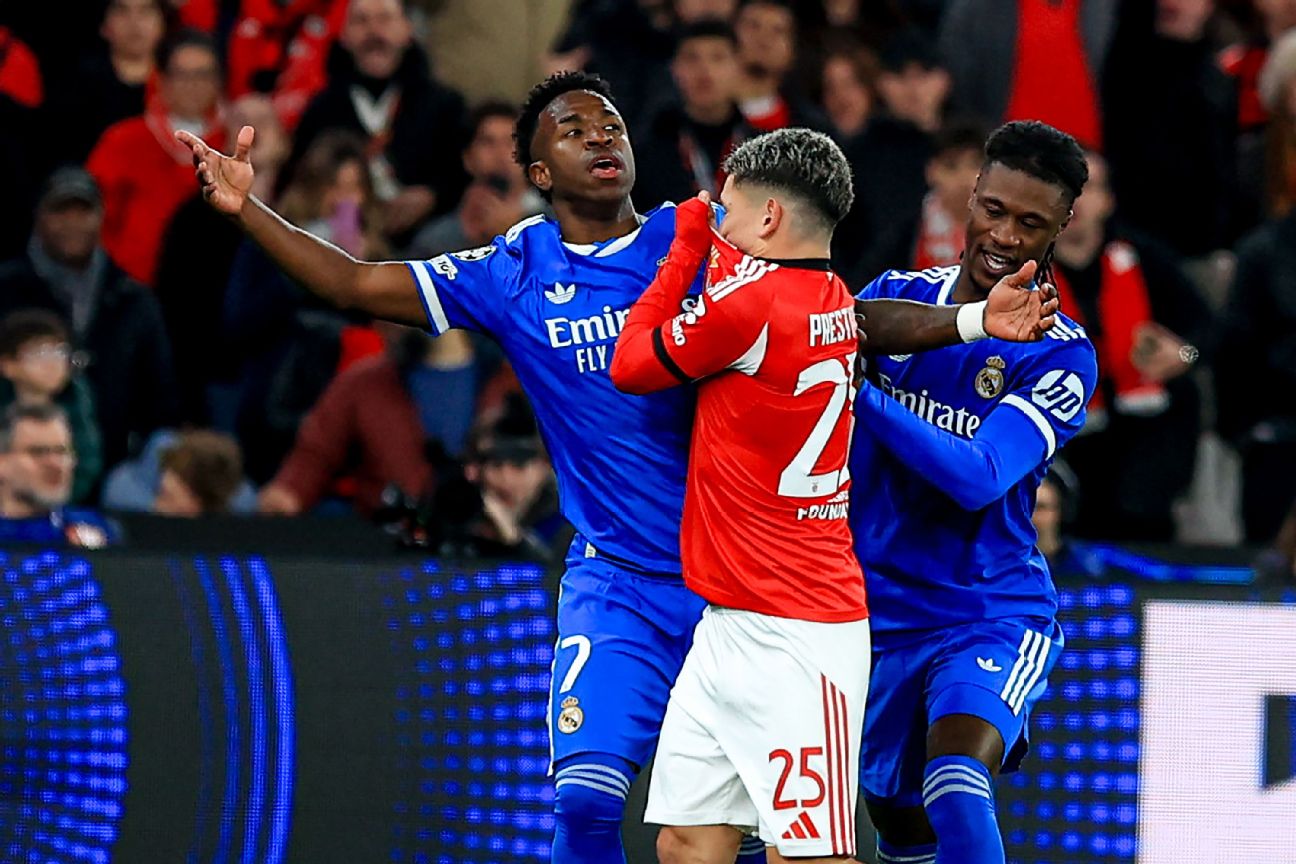
UEFA has officially suspended Gianluca Prestianni following an alleged racial abuse incident during a European competition match involving S.L. Benfica. The disciplinary action has sparked widespread debate across European football, raising concerns about racism in football, player conduct regulations, and UEFA’s zero-tolerance policy. The decision could have significant implications for Benfica’s campaign and Prestianni’s rising career in elite European football.
What Led to UEFA’s Suspension Decision?
The decision that led to UEFA suspending Benfica’s Prestianni stems from an alleged incident during a European competition match involving S.L. Benfica. According to initial reports, match officials and opposition representatives raised concerns about inappropriate conduct during the fixture. As the governing body of European football, UEFA is mandated to enforce strict disciplinary and anti-discrimination regulations across all competitions under its authority.
The controversy began when allegations of racial misconduct were formally reported during the match. UEFA’s disciplinary committee quickly initiated a preliminary investigation to determine whether there was a breach of its anti-racism and player conduct policies. Under UEFA regulations, any accusation involving discriminatory behaviour is treated with urgency and seriousness. The organisation has repeatedly emphasised its zero-tolerance approach to racism in football, aiming to protect the integrity of the sport and promote inclusivity across European leagues.
The phrase ‘UEFA Suspends Benfica’s Prestianni’ gained traction after the governing body imposed a provisional suspension on Gianluca Prestianni while the investigation continues. Provisional suspensions are common in cases where the alleged misconduct could significantly impact the competition or violate core ethical standards. This step allows UEFA to maintain competitive fairness while ensuring due process.
In similar past cases, UEFA has reviewed video footage, referee reports, witness statements, and player testimonies before reaching a final verdict. The disciplinary framework provides the accused player an opportunity to present a defence and appeal if necessary. However, until the investigation concludes, the suspension remains in effect.
The case surrounding UEFA suspending Benfica’s Prestianni highlights broader concerns about racism in football and player accountability. It also underscores UEFA’s responsibility to uphold regulatory standards that protect players, clubs, and fans alike. As the investigation unfolds, the football world awaits the final ruling and potential long-term implications for both Benfica and the young Argentine winger.
Who Is Gianluca Prestianni?
Gianluca Prestianni is regarded as one of Argentina’s most promising young football talents. Born in 2006, the dynamic winger rose to prominence through his technical ability, pace, and attacking creativity. Before making the move to Europe, Prestianni developed his reputation in Argentina’s domestic league, attracting attention from several top European clubs due to his impressive performances at youth and senior levels.
His transfer to S.L. Benfica was seen as a strategic investment by the Portuguese giants, who are well known for developing young talents and turning them into global stars. Benfica’s scouting network has consistently identified emerging prospects from South America, and Prestianni was viewed as another high-potential signing capable of long-term growth and significant market value appreciation.
As a winger, Prestianni is known for his agility, close ball control, and ability to take on defenders in one-on-one situations. His attacking mindset, combined with tactical discipline, allowed him to adapt quickly to European football. Analysts have often compared his playing style to other Argentine wide players who successfully transitioned to elite European leagues.
The recent headline ‘UEFA Suspends Benfica’s Prestianni’ has placed the young footballer under intense scrutiny, shifting focus from his on-field performances to disciplinary concerns. Despite the controversy, many football observers still recognise his raw talent and long-term potential within European competitions.
At just 19 years old, Prestianni’s career remains at a formative stage. How he responds to the current situation could play a significant role in shaping his professional trajectory. Benfica supporters and football analysts alike will be watching closely as developments unfold regarding the case surrounding UEFA suspending Benfica’s Prestianni.
Benfica’s Official Response
Following the announcement that UEFA suspends Benfica’s Prestianni, S.L. Benfica issued an official statement addressing the situation. The Portuguese club emphasised its commitment to fairness, due process, and UEFA’s disciplinary framework while expressing support for their player during the ongoing investigation.
In the statement, Benfica reaffirmed its zero-tolerance stance on racism and discrimination in football. The club highlighted its long-standing policies promoting inclusivity, diversity, and respect within both domestic and European competitions. Benfica also stated that it would cooperate fully with UEFA to ensure a transparent review of the allegations.
The phrase ‘UEFA suspends Benfica’s Prestianni’ has generated significant media attention, placing pressure on the club to manage both its public image and internal operations. As one of Portugal’s most prominent football institutions, Benfica understands the reputational impact such controversies can carry, especially in high-profile European tournaments.
Club officials reportedly indicated that they are reviewing all available evidence, including match reports and video footage, while allowing the legal and disciplinary processes to unfold. Benfica has not confirmed whether it plans to appeal the provisional suspension at this stage, but insiders suggest the club will explore all regulatory options depending on UEFA’s final ruling.
The situation presents both a sporting and reputational challenge. On the sporting side, Benfica must adjust tactically in upcoming fixtures without the suspended player. On the reputational side, the club seeks to protect its brand integrity and maintain the trust of supporters, sponsors, and stakeholders.
As developments continue, Benfica’s response will play a critical role in shaping public perception of the broader case surrounding UEFA Suspends Benfica’s Prestianni.
UEFA’s Zero-Tolerance Policy on Racism
The case surrounding UEFA suspends Benfica’s Prestianni and highlights the strict anti-racism framework enforced by UEFA. Over the past decade, UEFA has intensified its efforts to combat discrimination, introducing tougher sanctions, awareness campaigns, and disciplinary reforms across all European competitions.
UEFA’s zero-tolerance policy means that any allegation involving racist behaviour, discriminatory language, or misconduct is treated with immediate seriousness. When incidents are reported, the governing body’s Control, Ethics and Disciplinary Body (CEDB) initiates a formal investigation. This typically includes reviewing referee reports, match delegate findings, video evidence, and witness statements before determining appropriate sanctions.
In situations like UEFA Suspends Benfica’s Prestianni, provisional suspensions may be issued while investigations are ongoing. This ensures competitive fairness and reinforces the message that discrimination has no place in football. Sanctions under UEFA regulations can range from match bans and financial fines to partial stadium closures or extended suspensions depending on the severity of the offence.
UEFA has also partnered with anti-racism organisations to promote inclusivity campaigns such as “No to Racism”, aiming to educate players, fans, and clubs about equality in sport. Clubs participating in competitions like the UEFA Champions League and UEFA Europa League are required to comply with strict behavioural standards outlined in the organisation’s disciplinary code.
The broader goal of UEFA’s zero-tolerance stance is to protect the integrity of football and create a safe, respectful environment for players and supporters worldwide. The case of UEFA suspending Benfica’s Prestianni serves as another example of how seriously the governing body treats allegations related to racism and misconduct within European football.
Impact on Benfica’s European Campaign
The development surrounding UEFA Suspends Benfica’s Prestianni could have significant sporting implications for S.L. Benfica as they continue their European campaign. Squad depth and tactical flexibility are critical in high-level competitions, and losing a young attacking option may influence match strategy in upcoming fixtures.
Benfica has built a reputation for blending experienced players with emerging talents, and Prestianni was considered part of that long-term vision. His pace, creativity, and ability to stretch defensive lines provided valuable attacking width. With the suspension in place, the coaching staff may need to rotate other wingers or adjust formations to maintain offensive balance.
European tournaments governed by UEFA demand consistency and squad discipline. Even short-term suspensions can affect rhythm, especially during crucial knockout stages or tightly contested group matches. Tactical changes could alter pressing systems, counterattacking speed, and overall attacking transitions.
Beyond the pitch, the headline UEFA Suspends Benfica’s Prestianni may also influence morale within the dressing room. Clubs often rally together during controversies, but distractions can impact focus and preparation. Managing media attention while maintaining competitive intensity becomes a key responsibility for club leadership.
From a broader perspective, European performance directly affects club revenue through prize money, broadcasting rights, and sponsorship exposure. Any disruption to squad stability can indirectly influence financial projections tied to continental success.
As Benfica navigates this challenging period, the long-term impact of UEFA Suspends Benfica’s Prestianni will depend on both the final ruling and the team’s ability to adapt competitively under pressure.
Possible Length of Suspension
The situation surrounding UEFA Suspends Benfica’s Prestianni raises important questions about how long the suspension could last. Under the disciplinary regulations of UEFA, sanctions vary depending on the severity of the offense, the strength of the evidence, and whether the player has any prior disciplinary record.
In cases involving alleged discriminatory behavior, UEFA’s Control, Ethics and Disciplinary Body (CEDB) has the authority to impose penalties ranging from a one-match ban to multiple-game suspensions. Financial fines and additional conditional sanctions may also accompany match bans. If aggravating circumstances are identified, the punishment can be extended further to reinforce UEFA’s zero-tolerance stance.
The phrase UEFA Suspends Benfica’s Prestianni currently reflects a provisional measure while investigations continue. Provisional suspensions are typically imposed to maintain the integrity of ongoing competitions. Once the investigation concludes, UEFA will announce a final verdict detailing the confirmed length of the suspension, if upheld.
Importantly, players and clubs have the right to appeal disciplinary decisions. Should S.L. Benfica disagree with the final ruling, they may file an appeal within UEFA’s regulatory framework. In some cases, matters can be escalated to the Court of Arbitration for Sport (CAS), depending on procedural grounds.
The ultimate duration of the suspension will significantly affect both the player’s development and Benfica’s tactical planning. Until UEFA issues its final determination, speculation remains, and the football community continues to monitor updates regarding UEFA Suspends Benfica’s Prestianni.
Reaction from Fans and the Football Community
The announcement that UEFA Suspends Benfica’s Prestianni quickly triggered widespread reactions across social media platforms, sports forums, and mainstream football media. Supporters of S.L. Benfica expressed mixed emotions, with some calling for patience and due process, while others emphasized the importance of upholding strict anti-racism standards in European football.
Fans across Europe have debated the seriousness of the allegations and whether provisional suspensions are the appropriate immediate response. Many anti-discrimination advocates praised UEFA for acting swiftly, reinforcing its zero-tolerance policy toward racism and misconduct. They argue that decisive action is essential to maintain the integrity of the sport and protect affected players.
On the other hand, some supporters believe that investigations should be fully concluded before suspensions are publicly enforced, stressing the principle of presumed innocence. This debate has intensified online, where football discussions often trend rapidly and influence public perception.
Pundits and former players have also weighed in, noting that incidents like UEFA Suspends Benfica’s Prestianni highlight ongoing challenges in combating discrimination within global football. Television analysts and sports commentators have called for stronger educational initiatives, stricter enforcement, and consistent application of disciplinary measures across competitions.
The controversy has further fueled broader conversations about player responsibility, fan behavior, and institutional accountability. While reactions remain divided, one point of consensus is that football must continue evolving to promote equality and respect.
As discussions continue, the case surrounding UEFA Suspends Benfica’s Prestianni remains a major talking point within the international football community.
Legal and Regulatory Implications
The case of UEFA Suspends Benfica’s Prestianni carries significant legal and regulatory implications within European football. As the governing body, UEFA operates under a structured disciplinary code that outlines procedures for investigating alleged misconduct, including cases involving discrimination or inappropriate conduct.
When allegations arise, UEFA’s Control, Ethics and Disciplinary Body (CEDB) is responsible for reviewing evidence such as referee reports, video footage, official complaints, and witness testimonies. The process must comply with principles of fairness, transparency, and procedural integrity. This ensures that the accused player has the opportunity to respond to charges before a final ruling is issued.
In situations like UEFA Suspends Benfica’s Prestianni, provisional suspensions are legally permitted to protect the competition’s integrity while investigations are ongoing. However, these temporary sanctions do not automatically imply guilt. The final decision depends on a comprehensive evaluation of all available evidence.
If S.L. Benfica or the player disputes the outcome, they have the right to file an appeal within UEFA’s internal framework. Beyond that, cases can be escalated to the Court of Arbitration for Sport (CAS), which serves as the highest independent authority in international sports disputes.
Legal experts note that disciplinary cases in football must balance strict enforcement with due process rights. The handling of UEFA Suspends Benfica’s Prestianni will likely be closely analyzed to ensure regulatory consistency and adherence to international sports law standards.
Ultimately, this case underscores how football governance extends beyond the pitch, involving structured legal systems designed to maintain accountability, fairness, and institutional credibility across European competitions.
Financial and Sponsorship Consequences
The headline UEFA Suspends Benfica’s Prestianni could have notable financial and commercial implications for S.L. Benfica. In modern football, disciplinary controversies extend beyond the pitch, often influencing sponsorship agreements, brand reputation, and overall market value.
European competitions governed by UEFA generate substantial revenue through broadcasting rights, prize money, and global sponsorship deals. Any disruption involving key players can indirectly affect performance outcomes, which in turn impacts financial rewards tied to tournament progression.
From a commercial perspective, clubs rely heavily on brand image. Allegations involving discrimination or misconduct can create reputational risks that concern sponsors and commercial partners. While established clubs like Benfica typically maintain strong brand equity, high-profile controversies may prompt internal reviews from corporate stakeholders monitoring brand alignment and public perception.
The case of UEFA Suspends Benfica’s Prestianni may also influence the player’s individual market value. Young prospects in European football are often valued not only for talent but also for professionalism and brand appeal. Disciplinary issues, even if temporary, can impact transfer negotiations, endorsement opportunities, and long-term contract discussions.
Additionally, legal proceedings or appeals can introduce further financial costs related to representation and regulatory processes. Clubs must balance defending their players with protecting institutional credibility and financial stability.
While the long-term economic impact remains uncertain, situations like UEFA Suspends Benfica’s Prestianni demonstrate how closely performance, governance, reputation, and revenue are interconnected in elite European football.
What Happens Next?
Following the development that UEFA Suspends Benfica’s Prestianni, the next steps will be determined by the ongoing disciplinary investigation conducted by UEFA. The Control, Ethics and Disciplinary Body (CEDB) will carefully review all submitted evidence, including referee reports, video analysis, witness testimonies, and any formal statements provided by the player and his representatives.
If the investigation confirms a breach of UEFA regulations, a final sanction will be issued detailing the length of suspension, potential fines, or additional penalties. However, if evidence is deemed insufficient, the provisional suspension may be lifted. The phrase UEFA Suspends Benfica’s Prestianni currently reflects a temporary measure rather than a definitive verdict.
S.L. Benfica will closely monitor the proceedings and evaluate whether to pursue an appeal depending on the outcome. Under UEFA rules, appeals can be filed within a specific timeframe, and in some cases, disputes may escalate to the Court of Arbitration for Sport (CAS).
For Prestianni, the situation represents a critical moment in his young career. How he responds—both legally and professionally—could influence public perception and future opportunities. Clubs, sponsors, and fans will all watch how the matter concludes.
Ultimately, the case of UEFA Suspends Benfica’s Prestianni underscores the importance of accountability and due process in European football. The final ruling will not only affect the player and Benfica’s campaign but also reinforce UEFA’s broader commitment to maintaining integrity and fairness across its competitions.
Other stories
-
10 Fashion Minimalism Trends for a Timeless Wardrobe
-
10 Viral Health & Beauty Hacks That Actually Work
-
Digital Wallets: A Convenient and Secure Way to Make Transactions
-
What Are Contactless Payments? 10 Powerful Benefits, Security Features & Future Trends (2026 Guide)
-
Ghana Gold Board Policy: Expert Warns on Royalty Reforms and Mining Sector Impact
-
Cristiano Ronaldo is “warned” by the Saudi Pro League about strike action.