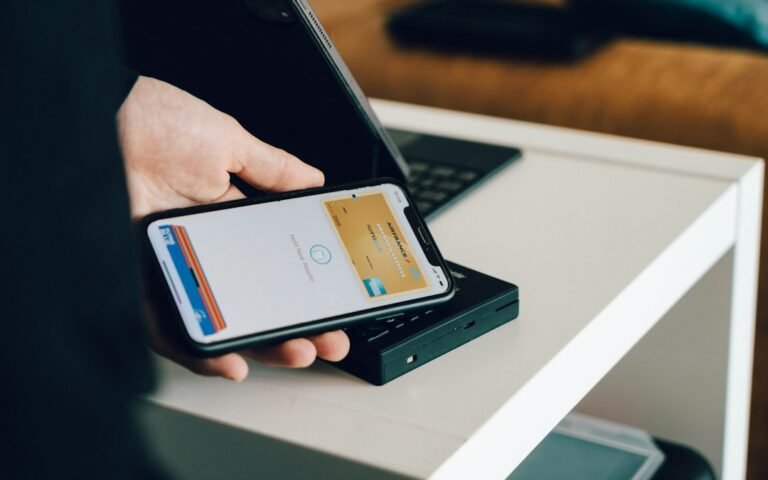
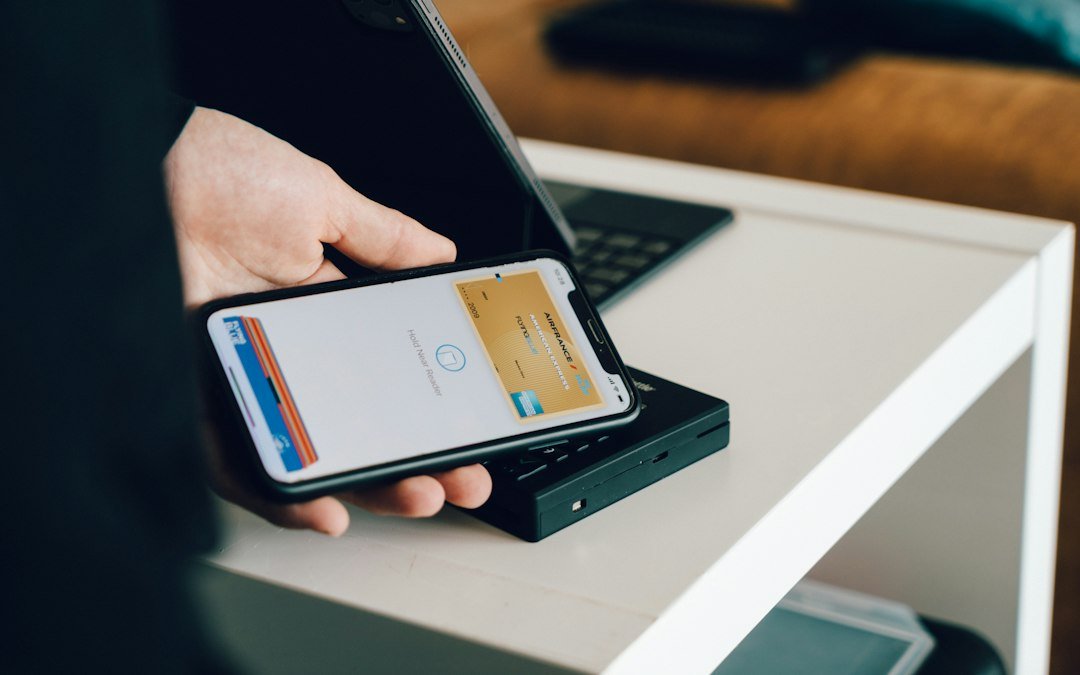
Digital payments can help Ghanaian small businesses receive money without relying entirely on cash, but the best option depends on transaction costs, customer habits, settlement times and record-keeping needs. A shop, online seller, service provider and growing distributor may have very different requirements. Before choosing a payment method, business owners should compare the full cost and the process for resolving failed or disputed transactions.
Compare the real cost, not just the advertised rate
Ask providers for their current fee schedule, including transfer charges, merchant fees, withdrawal costs, settlement timing and any monthly or device charges. Fees can change, and promotional rates may have conditions. Use the provider’s current published terms rather than a screenshot or old social-media post. For higher-volume businesses, request a written breakdown based on realistic transaction sizes.
Keep a daily reconciliation routine
Record each sale with a date, amount, payment reference and order number. At the end of the day, compare the sales ledger with the provider’s transaction history and the amount actually received. Keep refunds and reversals in a separate record so that they do not appear as unexplained missing revenue. A simple spreadsheet can work for a small operation, provided access is controlled and backups are maintained.
Reduce fraud and account-access risk
- Never share a one-time password, PIN or account recovery code with someone who calls unexpectedly.
- Verify payment notifications inside the official app or account dashboard; do not rely solely on an SMS screenshot.
- Use a unique password and available multi-factor authentication for business accounts.
- Confirm the recipient’s details before approving a transfer and establish a clear refund procedure.
- Train staff to escalate unusual requests rather than acting under pressure.
Choose a system that fits your customers
Some customers prefer mobile money, others use bank transfers or cards. Offering more than one reliable option may reduce abandoned purchases, but adding methods also increases reconciliation work. Start with the options your customers use most, test them on small transactions and document the process for failed payments before expanding.
Questions to ask before signing up
What is the settlement time? How are disputes handled? Is customer support available during business hours? Can transactions be exported for bookkeeping? What happens if a phone is lost or a staff member leaves? Written answers make it easier to compare providers fairly.
This is general business information, not a recommendation for a particular financial product. Confirm current terms directly with licensed providers and review relevant guidance from the Bank of Ghana before making a decision.
Frequently asked questions
Should every small business accept digital payments?
It depends on customer demand, costs, connectivity and the business’s ability to reconcile transactions.
What is the most important fraud precaution?
Never disclose PINs or one-time codes, and verify payments inside the official account rather than trusting screenshots.