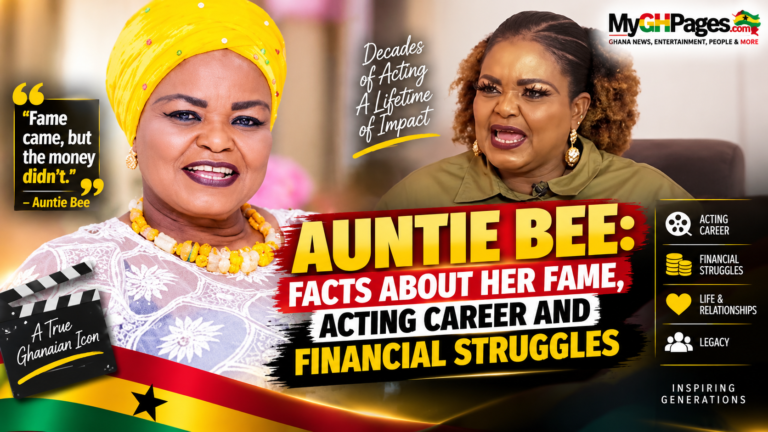

Ghana’s creative industry needs a new generation of filmmakers, musicians and digital creators to tell authentic Ghanaian stories and reach global audiences
Ghana has never lacked stories. Its history, languages, festivals, family traditions, music, humour and everyday struggles offer an extraordinary creative archive. The challenge facing the modern entertainment industry is not a shortage of material; it is how to turn those stories into compelling films, series, songs, documentaries and digital formats that audiences at home and abroad want to watch, hear, share and pay for.
Recent public discussion about the state of Ghanaian storytelling has renewed an important question: how can a new generation of creators make local stories visible in a crowded global entertainment market? The answer requires more than nostalgia. It calls for strong writing, investment in production, respect for local languages, reliable distribution and business models that reward creative work.
Stories must begin with people and place.
Ghanaian creators have a deep advantage: recognisable settings and experiences. A story set in a busy Accra neighbourhood, a fishing community in the Central Region, a cocoa-growing town, a university campus or a family home in the north can feel specific while speaking to universal themes such as ambition, friendship, love, migration, identity and social change.
Specificity matters. When writers remove local detail in an attempt to appear international, they risk producing stories that could have come from anywhere. Audiences increasingly value distinctive voices. A film can include subtitles and still travel internationally; a song can combine English, Twi, Ga, Ewe, Dagbani or other Ghanaian languages and still connect with listeners who do not understand every word.
Build stronger writing and development systems.
Good production cannot rescue a weak script. Film and television projects need time for research, character development, story editing and rehearsals. Producers can improve quality by commissioning scripts, holding table reads, inviting experienced editors to review early drafts and budgeting for development before cameras begin rolling.
Writers should also move beyond familiar plot shortcuts. Characters need believable motivations and consequences. Comedy can be sharp without relying on humiliation; drama can address social problems without turning every character into a stereotype. Stories about young people, rural communities, disability, entrepreneurship, family care, sports and technology can broaden the range of what Ghanaian entertainment represents.
Professional production is an investment, not a luxury.
Viewers may forgive a modest budget, but they quickly notice unclear dialogue, poor sound, inconsistent lighting and careless editing. Independent creators can raise standards by planning shoots carefully, using location sound recording, testing equipment, maintaining production schedules and allowing enough time for post-production. A small team with a clear workflow can often deliver a more polished result than a larger team working without preparation.
Training is equally important. Camera operators, sound engineers, editors, colourists, animators, costume designers, production managers and location coordinators all contribute to the final experience. Film schools, media organisations and experienced practitioners can support practical apprenticeships that connect classroom learning with real productions.
Digital platforms create opportunity—and new pressure.
Streaming services, YouTube, short-video platforms, podcasts and social networks have reduced some barriers to distribution. A creator no longer has to depend entirely on a traditional broadcaster to reach an audience. But uploading a project is not the same as building a sustainable career. Creators need audience research, consistent release schedules, clear rights ownership, reliable promotion and a plan for earning revenue.
Short clips can introduce a character or scene, while longer formats develop deeper relationships with viewers. Creators should treat social media as a discovery channel rather than a substitute for the full work. They should also keep copies of contracts, music licences, performer releases and production records. Clear agreements help prevent disputes when a project begins earning money.
Protect Ghanaian music and cultural knowledge.
Music is often the emotional engine of film and digital storytelling. Producers should use properly licensed recordings or commission original compositions. Musicians and composers deserve accurate credits and fair agreements. Traditional rhythms, instruments, proverbs, festivals and oral histories can enrich modern productions, but cultural material should be researched and represented respectfully.
Creators can collaborate with historians, language specialists, community leaders and cultural practitioners when a project draws on a specific tradition. Such collaboration improves authenticity and can create opportunities for people whose knowledge is often used without recognition.
Make the business side stronger
Creative ambition needs financial discipline. A production budget should identify costs for development, cast, crew, equipment, transport, locations, insurance where applicable, post-production, marketing and distribution. Producers should avoid promising investors guaranteed returns. Instead, they should explain the project’s audience, distribution strategy, rights arrangements, risks and possible revenue sources.
Creators can diversify income through licensing, screenings, brand partnerships, ticketed events, subscriptions, educational use and commissioned work. Partnerships should be transparent, and sponsors should not be allowed to undermine editorial independence. A professional media business also needs basic bookkeeping and documented agreements. For a practical business-finance context, readers can explore how Ghanaian SMEs can strengthen financial records and access business credit.
What audiences can do
Audiences are not passive observers. Watching legally, buying tickets, subscribing, sharing official releases, leaving constructive reviews and recommending promising work can help creators understand what resonates. Viewers can also ask broadcasters and platforms to commission a wider range of Ghanaian stories rather than repeatedly relying on a narrow set of formats.
A practical way forward
The next chapter of Ghanaian storytelling will not be created by one celebrity, one film or one platform. It will emerge from a connection.
ted ecosystem: writers who are supported to develop ideas, producers who plan professionally, technicians who are trained and paid, platforms that distribute local work, institutions that protect rights and audiences that value originality.
Ghana’s stories already exist in its communities and lived experiences. The task is to tell them with imagination, craft and honesty—and to build a creative economy in which talented people can keep telling them.
Editorial note
This feature is an original analysis of Ghana’s creative-sector opportunities. It does not claim that one announcement or policy has solved the industry’s structural challenges.
Source: Ghana News Agency, Northern Ghana Foto Festival launch.