Published October 15, 2026 | MyGHPages
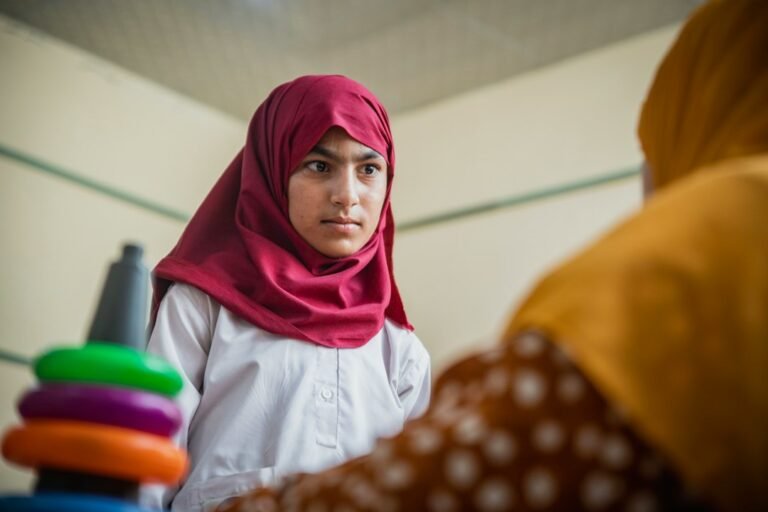
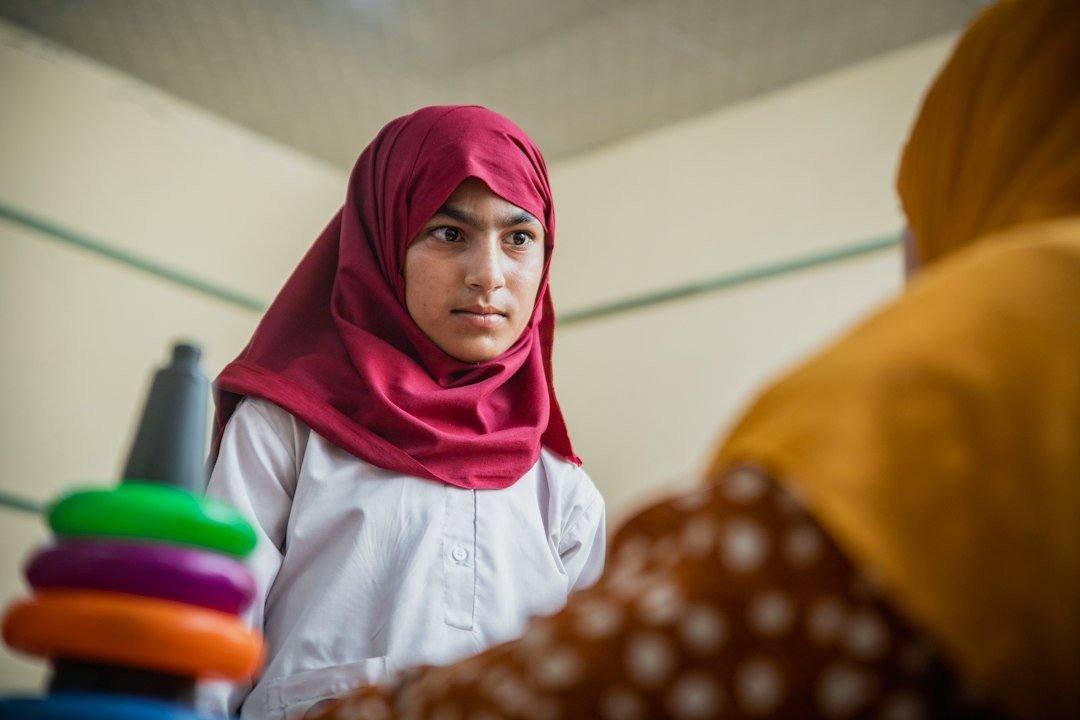
Girls’ education and protection are in focus in the Oti Region as Kadjebi District prepares an educational programme involving 120 learners from 11 schools to mark the International Day of the Girl Child. The Ghana News Agency reported on October 14 that the district’s event was rescheduled for Thursday, October 15, after the official observance on October 11 fell on a Sunday.
The District Girl Child Education Officer, Emma Asilevi, said the programme would raise awareness of girls’ rights, equal opportunities and challenges that can prevent girls from remaining in school. She urged parents, teachers and community members to share responsibility for helping girls continue their education and pursue their ambitions. The 2026 theme cited in the report is “End Girl Child Marriage and Invest in Girls’ Rights.”
Why a district-level programme matters
National discussions about education can feel distant from families, especially when barriers are shaped by local conditions. A district programme can bring learners, teachers and community stakeholders together to discuss issues that affect attendance, safety, confidence and learning. It can also help identify practical steps that schools and families can take rather than treating girls’ education as a message that needs to be repeated only once a year.
Bringing learners from 11 schools together gives the programme a chance to reach children with different experiences. The number of participants does not, by itself, show whether long-term outcomes will improve. The value will depend on what students learn, whether schools follow up, and whether families and local institutions respond to concerns raised during the programme.
Barriers can be educational, financial and social
Girls may face overlapping challenges: household financial pressure, unsafe travel, inadequate sanitation, discrimination, early marriage, caregiving responsibilities or a lack of confidence that schooling will lead to future opportunities. These challenges differ from one community to another, so solutions should be based on local evidence and should involve girls themselves in identifying what support is useful.
School leaders can help by monitoring attendance sensitively, responding to bullying and harassment, keeping complaint channels accessible and ensuring that girls can participate in lessons and school activities. Where a learner begins missing school, a supportive conversation with the family may identify transport, health, safety or financial issues that can be addressed before the absence becomes permanent.
Families and communities have an important role
Parents and guardians influence whether children can attend school consistently, study at home and make decisions about their future. Community leaders, faith groups and local organisations can reinforce the message that girls deserve equal respect and opportunity. These conversations are most effective when they lead to practical support, including protecting children from abuse, challenging harmful discrimination and encouraging families to seek help when financial pressure threatens school attendance.
Protecting girls does not mean shifting responsibility onto children to solve structural problems themselves. Adults and institutions must provide safe environments, fair treatment and clear routes for reporting abuse. A learner should not have to choose between staying silent and risking punishment for speaking up.
Keeping girls in school requires more than enrolment
Access to a classroom is an essential first step, but meaningful education also requires quality teaching, safe facilities, learning materials and a school environment where students are treated fairly. Girls need opportunities to ask questions, develop skills and imagine pathways into further education, technical training and employment. Mentoring can help, but it should complement rather than replace adequate school resources and qualified teachers.
Schools can also make their progress more visible by tracking attendance, completion, transitions to the next level and participation in leadership or extracurricular activities. Data should be used to identify where learners need support, not to stigmatise individual students or expose sensitive personal information. District education officers and school communities can use aggregated information to identify patterns and direct assistance where it is most needed.
Child marriage and the right to continue learning
The programme’s stated theme connects girls’ rights with the need to end child marriage. Early marriage can interrupt schooling, limit choices and expose children to risks they are not prepared to manage. Prevention requires coordinated work by families, schools, social services, community leaders and the authorities responsible for child protection. When a child is at risk, the response should prioritise safety, dignity and access to appropriate support.
Education campaigns should avoid blaming girls or families in simplistic terms. Communities may face economic pressures and entrenched expectations, but those pressures do not remove a child’s right to protection and opportunity. Trusted local conversations, practical support for families and consistent enforcement of child-protection safeguards can work together to reduce risk.
How progress can be measured after the event
After the October 15 programme, useful follow-up questions include whether participating schools hold further discussions, whether learners know where to seek help, whether attendance barriers are identified and whether local stakeholders agree on specific actions. A school visit or awareness event is an important starting point, but lasting change requires ongoing attention and resources.
MyGHPages will follow verified updates from the district and education authorities. Readers should consult official announcements for programme details and use trusted child-protection and education channels when seeking help. No child’s private circumstances should be shared publicly without a clear safeguarding reason.
Source: Ghana News Agency: Kadjebi to mark International Day of the Girl Child.
Related reading
- Bank of Ghana’s cross-border payment pilot explained
- A practical guide to digital payments for small businesses
- Ghana Black Bombers win international boxing showdown
Read more Ghana-focused news and community information at MyGHPages.