
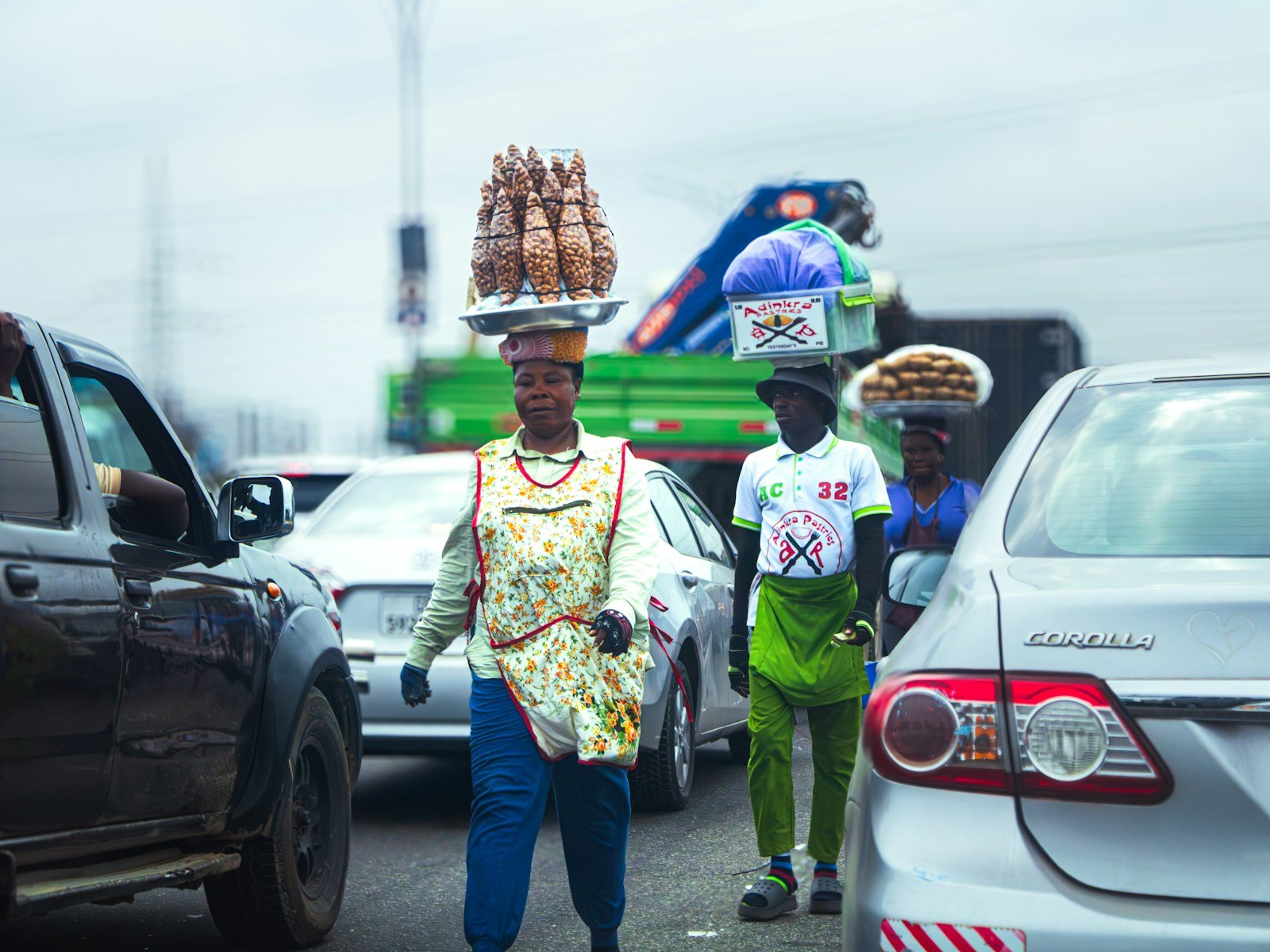
Ghana News Today: Transport Fares Rise as BoG Keeps Policy Rate at 14%
Ghana’s latest economic developments are affecting both the cost of transportation and the country’s monetary policy environment.
Public transport fares increased by 8% from September 26, 2026, while the Bank of Ghana has maintained the Monetary Policy Rate at 14%.
The two developments are important for commuters, households, businesses and borrowers because transportation costs affect everyday spending, while the Bank of Ghana’s policy rate influences the broader financial environment.
Public Transport Fares Increase by 8%
The Ghana Private Road Transport Union (GPRTU) and the Ghana Road Transport Coordinating Council (GRTCC) announced an 8% increase in public transport fares, effective Saturday, September 26, 2026.
According to the Information Services Department, the adjustment followed consultations between the transport unions, the Ministry of Transport and commercial road transport operators held between September 8 and September 22.
The transport unions said the review took into account changes in petroleum prices, spare parts, vehicle maintenance and other operating costs.
The adjustment was also made with consideration for drivers, commuters and other members of the travelling public. ISSER
Which Transport Services Are Affected?
The 8% adjustment applies to several categories of commercial road transport.
These include:
- Shared taxis
- Intra-city trotro services
- Intercity and long-distance transport
- Haulage services
The Information Services Department said the new increase is calculated using the approved fares that came into effect on May 24, 2025. ISSER
Transport operators have also been directed to comply with the approved fares and display the applicable fare schedules at loading terminals and stations.
Passengers should therefore check the approved fare for their route rather than relying on unofficial amounts.
Why Have Transport Fares Increased?
Transport operators cited increases in several costs associated with running commercial vehicles.
These include:
- Petroleum product prices
- Spare parts
- Vehicle maintenance
- General operating expenses
The transport unions also acknowledged government intervention on diesel prices, saying it helped moderate the size of the fare adjustment. ISSER
For commuters, however, even an 8% adjustment can increase monthly transportation expenses, particularly for people who travel several times each day.
What the Transport Fare Increase Means for Commuters
The effect of the increase will depend on the route, frequency of travel and the type of transport used.
A commuter who makes several trips every day could see transportation account for a larger share of their monthly household budget.
Workers, students, traders and other regular passengers may therefore need to review their daily transportation spending.
The increase could also affect businesses that depend heavily on commercial transport for employees, deliveries and movement of goods.
Bank of Ghana Keeps Policy Rate at 14%
While transportation costs have increased, the Bank of Ghana has maintained its Monetary Policy Rate at 14%.
The Bank’s Monetary Policy Committee held its 132nd meeting from September 23 to September 24, 2026, to assess economic developments and risks affecting inflation and economic growth.
Following the meeting, the Committee kept the policy rate unchanged at 14%. Bureau of Ghanaian Affairs
The decision means the Bank of Ghana has retained the existing policy rate while continuing to monitor inflation, economic activity and other domestic and international risks.
What Does the 14% Policy Rate Mean?
The Bank of Ghana’s policy rate is an important monetary-policy benchmark. However, it does not mean that every commercial bank automatically charges customers 14% for loans.
Actual lending rates can vary between financial institutions and products.
Banks may consider factors such as:
- The type of loan
- Borrower’s risk profile
- Loan duration
- Bank funding costs
- Operating costs
- Security or collateral
- Other charges and fees
Anyone considering a loan should therefore compare the total cost of borrowing, rather than looking only at a quoted interest rate.
Inflation Remains an Important Factor
The Bank of Ghana’s September decision also considered developments in inflation.
According to the Bank’s published MPC decision submissions, headline inflation increased from 4.6% in July to 5.0% in August 2026. Bureau of Ghanaian Affairs
The Bank also highlighted external risks that could affect the Ghanaian economy, including changes in global energy and food prices, international financial conditions and other external developments.
These factors can influence the cost of imported goods and services and may affect inflationary pressures in Ghana.
What the Two Developments Mean for Households
The transport fare increase and the Bank of Ghana’s policy decision affect households in different ways.
For commuters, the immediate issue is the increased cost of public transportation.
For people seeking loans, the policy rate forms part of the wider financial environment that banks consider when pricing credit.
Households should therefore pay attention to:
- Monthly transport expenditure
- Food and household expenses
- Existing loan repayments
- New borrowing costs
- Changes in fuel prices
- Inflation developments
Careful budgeting can help households understand how higher transportation costs affect their overall monthly spending.
What Businesses Should Watch
Businesses that rely on transportation may also feel the effect of the fare adjustment.
Companies that move employees, goods or equipment may face higher transport-related expenses.
Small businesses and traders that depend on taxis, trotros and other commercial transport could also experience changes in operating costs.
At the same time, businesses seeking financing will continue to watch developments in monetary policy and commercial lending rates.
The Bank of Ghana’s decision to maintain the policy rate at 14% provides the current monetary-policy reference point, but businesses should compare financing offers from different financial institutions before taking on new debt. Bureau of Ghanaian Affairs
What Commuters Should Do
Passengers should check the approved fare schedule for their particular route.
Transport operators have been directed to display approved fares at loading terminals and stations.
The Information Services Department reported that operators charging fares above approved rates could face sanctions from the transport unions. ISSER
Passengers who believe they are being charged more than the approved amount should seek clarification from the relevant transport authorities or union representatives rather than relying on unofficial fare information.
What to Watch in Ghana’s Economy
Several developments will remain important for households and businesses in the coming weeks.
These include:
1. Transport Costs
Changes in fuel prices and vehicle operating costs could influence future discussions about transport fares.
2. Inflation
Inflation data will remain important to the Bank of Ghana and consumers because changes in prices affect household purchasing power.
3. Interest Rates
Borrowers and businesses will continue to monitor commercial lending rates and future monetary policy decisions.
4. Fuel Prices
Fuel costs are an important component of transport operating expenses and can affect the cost of moving people and goods.
5. Household Spending
Higher transportation costs could require some households to reassess their monthly budgets.
Ghana News Today: Key Facts at a Glance
| Development | Current information |
|---|---|
| Public transport fares | Increased by 8% |
| Effective date | September 26, 2026 |
| Organisations announcing increase | GPRTU and GRTCC |
| Services affected | Taxis, trotros, intercity transport and haulage |
| Bank of Ghana policy rate | 14% |
| MPC meeting | September 23–24, 2026 |
| August 2026 headline inflation | 5.0% |
The transport information comes from Ghana’s Information Services Department, while the monetary-policy information comes from the Bank of Ghana. ISSER
Conclusion
The 8% increase in public transport fares and the Bank of Ghana’s decision to maintain the 14% monetary policy rate are two significant developments for Ghanaian households and businesses.
For commuters, the transport adjustment means paying more for affected commercial transport services. For borrowers and businesses, the Bank of Ghana’s policy rate remains an important indicator of the country’s monetary-policy direction.
Consumers should rely on approved transport fares and official economic information when making financial decisions.
MyGHPages will continue to follow developments involving transportation costs, inflation, interest rates and the wider Ghanaian economy.
Frequently Asked Questions
What is the new transport fare increase in Ghana?
Public transport fares increased by 8% effective September 26, 2026, according to the GPRTU and GRTCC announcement reported by the Information Services Department. ISSER
Why did transport fares increase in Ghana?
The transport unions cited changes in petroleum prices, spare parts, vehicle maintenance and other operating costs as factors behind the adjustment. ISSER
What is the Bank of Ghana policy rate?
The Bank of Ghana’s Monetary Policy Rate is currently 14%, following the September 2026 MPC decision. Bureau of Ghanaian Affairs
Does the 14% policy rate mean bank loans cost 14%?
No. The policy rate is a monetary-policy benchmark. Commercial banks can set different lending rates depending on the loan, borrower and other financing costs.
When did the new transport fares take effect?
The 8% increase took effect on September 26, 2026. ISSER
Which transport services are affected?
The announced adjustment applies to shared taxis, intra-city trotros, intercity long-distance services and haulage. ISSER
What was Ghana’s headline inflation in August 2026?
The Bank of Ghana’s September MPC documentation states that headline inflation increased from 4.6% in July to 5.0% in August 2026. Bureau of Ghanaian Affairs
Sources and Verification
This article is based primarily on official information from:
- Ghana Information Services Department — public transport fare announcement. ISSER
- Bank of Ghana — September 2026 Monetary Policy Committee statement. Bureau of Ghanaian Affairs
Editorial note: MyGHPages separates confirmed information from analysis and explains the potential implications for readers. Information may change as government agencies, regulators and transport authorities issue new announcements.