
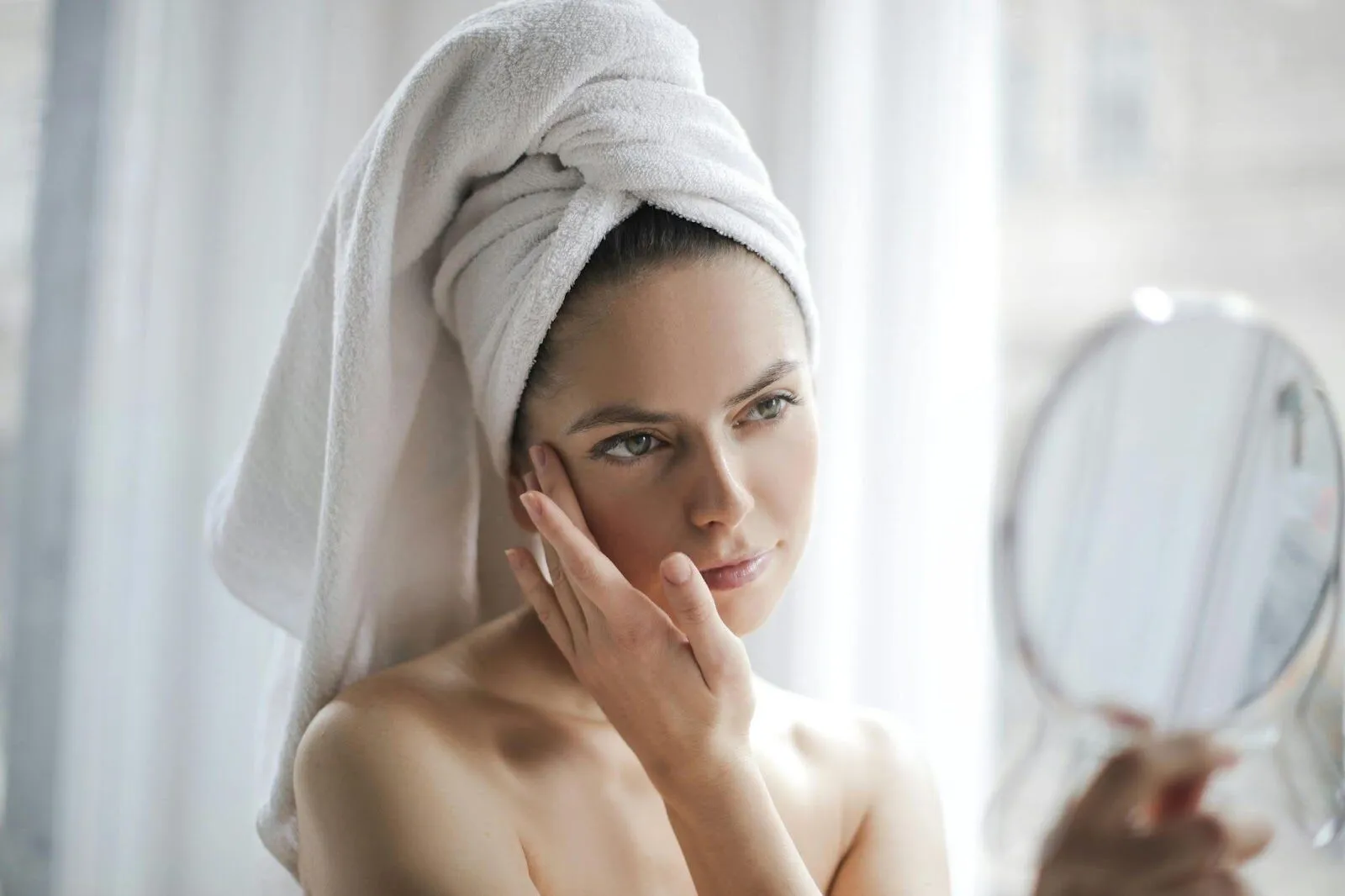
Simple, Evidence-Based Skin and Beauty Habits That Support Healthy Skin
Healthy-looking skin does not always require expensive beauty products, complicated routines or viral social media treatments. In many cases, consistent daily care and sensible lifestyle choices can make a meaningful difference.
Social media is full of beauty advice promising instant results. Some suggestions may be harmless, but others can irritate the skin or encourage people to use products without understanding their ingredients. A safer approach is to follow established dermatological guidance and choose habits that suit your skin.
Here are practical ways to care for your skin using advice supported by recognised health authorities.
1. Clean Your Face Gently
Washing your face helps remove sweat, excess oil, dirt and other substances that collect on the skin during the day.
However, washing too frequently or scrubbing aggressively can cause irritation. Dermatologists recommend using a gentle, non-abrasive cleanser and applying it with clean fingertips.
A simple routine is to wash your face in the morning, before bed and after heavy sweating. Use lukewarm water rather than very hot water, then gently pat your face dry with a clean towel.
The American Academy of Dermatology provides additional guidance in its face-washing recommendations.
2. Use Moisturiser When Your Skin Needs It
Moisturising helps maintain the skin’s protective barrier and reduce dryness. It can be useful for people with dry, sensitive or acne-prone skin.
If you have oily or acne-prone skin, look for products labelled oil-free or non-comedogenic. These products are designed to be less likely to block pores, although individual reactions can differ.
Apply moisturiser after washing, especially when your skin feels dry or tight. You do not need to buy several products to establish a basic skincare routine.
3. Protect Your Skin from the Sun
Sun protection is an important part of long-term skin care. Excessive ultraviolet exposure can contribute to premature skin ageing and increase the risk of skin cancer.
When outdoors, use a broad-spectrum sunscreen with SPF 30 or higher, where available. Apply it to exposed skin and follow the product instructions for reapplication, particularly after swimming, sweating or spending extended periods outside.
Protective clothing, hats, sunglasses and shade can provide additional protection. In Ghana’s sunny climate, these measures are useful throughout the year.
The National Institutes of Health healthy-skin guidance explains practical ways to protect and maintain skin health.
4. Avoid Scrubbing and Picking Pimples
Pimples can be frustrating, especially when they appear before an important event. However, squeezing or picking acne can increase inflammation and raise the risk of scarring and dark marks.
Strong scrubs, rough brushes and harsh products may also irritate acne-prone skin.
Instead, clean your skin gently and use suitable acne treatments according to their instructions. Give a treatment enough time to work rather than changing products every few days.
The American Academy of Dermatology’s acne advice explains how to manage acne without unnecessarily irritating the skin.
5. Choose Beauty Products Carefully
A product advertised as natural, organic or popular online is not automatically suitable for everyone.
Before using a new skincare product, read its ingredients and instructions. If you have sensitive skin, consider fragrance-free options. Introduce new products gradually rather than applying several unfamiliar products at once.
Avoid putting household cleaning products, concentrated essential oils or harsh chemicals on your face. These substances can cause irritation or injury.
If a product causes burning, swelling, a rash or persistent discomfort, stop using it. Seek medical advice if the reaction is severe or does not improve.
6. Eat a Balanced Diet
Good nutrition supports general health, including the normal functioning of the skin.
A balanced diet can include vegetables, fruits, beans, whole grains, fish, eggs and other sources of protein. Different foods provide nutrients that the body needs for normal growth and tissue maintenance.
There is no single food that guarantees clear or flawless skin. People should be cautious about online claims that one fruit, drink or supplement can cure acne or reverse skin ageing.
The World Health Organization provides guidance on balanced eating in its healthy diet fact sheet.
7. Drink Enough Water
Water helps the body regulate temperature, transport nutrients and remove waste. The amount a person needs varies depending on activity, climate, age and health.
People living in hot environments or doing physically demanding work may need to pay particular attention to fluid intake.
Drinking water is beneficial for general health, but it should not be advertised as a guaranteed cure for acne, wrinkles or other skin conditions.
Choose safe drinking water regularly and pay attention to signs of dehydration.
8. Get Enough Sleep
Sleep is an important part of general wellbeing. Regularly getting adequate rest can support normal body functions and help people maintain healthier daily routines.
Try to maintain a consistent sleeping schedule and reduce distractions before bedtime. Avoid relying on beauty products that promise to replace the benefits of healthy sleep.
9. Keep Your Skin-Care Routine Simple
Using too many products at once can make it difficult to identify what is helping or causing irritation.
A basic daytime routine can include:
- Gentle facial cleanser.
- Moisturiser suitable for your skin.
- Broad-spectrum sunscreen when going outdoors.
An evening routine can include gentle cleansing and moisturising. People treating acne or other skin conditions may need additional products recommended by a qualified healthcare professional.
10. Seek Professional Advice for Persistent Skin Problems
Persistent acne, painful lumps, unusual rashes, infections, severe itching or changing skin spots should not be treated only with social media remedies.
A qualified healthcare professional can assess the problem and recommend appropriate treatment. Some skin conditions require prescription medicines or specialised care.
People should also seek prompt medical attention if they experience a severe allergic reaction, facial swelling or difficulty breathing after using a product.
Conclusion
Healthy skin care is built on consistency, not viral beauty tricks. Gentle cleansing, suitable moisturising, sun protection, balanced nutrition and sensible product choices provide a practical foundation.
Instead of chasing instant results, choose habits supported by reliable health guidance. If a skin problem persists, professional advice is safer than experimenting with unverified treatments.
Health information notice: This article is for general educational purposes and is not a substitute for individual medical advice, diagnosis or treatment.
Other stories
-
Digital Wallets: A Convenient and Secure Way to Make Transactions
-
What Are Contactless Payments? 10 Powerful Benefits, Security Features & Future Trends (2026 Guide)
-
Ghana Gold Board Policy: Expert Warns on Royalty Reforms and Mining Sector Impact
-
10 Facts About the $17 Million Gold Scam
-
“Ghana’s progress has surprised IMF officials themselves.” President Mahama