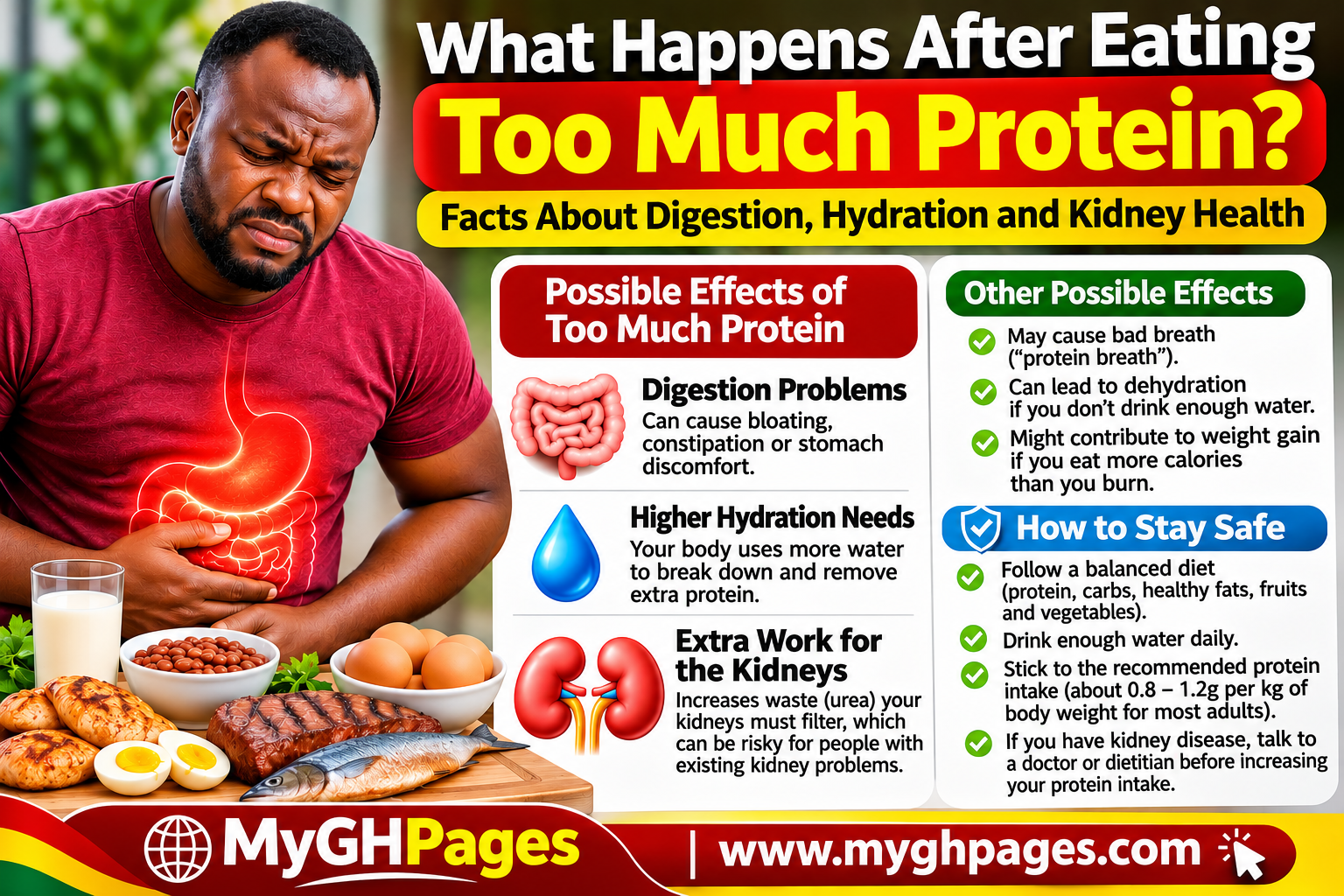
Eating too much protein may cause digestive discomfort, increase hydration needs and place additional demands on the kidneys. Learn the facts about protein intake and maintaining a balanced diet on MyGHPages.
What Happens After Eating Too Much Protein? Facts About Digestion, Hydration and Kidney Health
Protein is an important nutrient that helps the body build and repair muscles, maintain tissues and produce enzymes and hormones. It is found in foods such as fish, eggs, chicken, beans, milk, groundnuts and other legumes.
Although protein is necessary for good health, some people consume large quantities because they believe that more protein automatically means better muscles, faster weight loss or improved fitness.
Others become concerned after eating a protein-heavy meal and search online for ways to cleanse their bodies.
The important point is that the body does not normally require a special protein detox after an ordinary meal. However, consistently consuming more protein than your body needs may not be beneficial, particularly for people with certain health conditions.
Understanding how protein works can help people make better food choices.
1. Why Does the Body Need Protein?
Protein is one of the body’s essential nutrients. It supplies amino acids, which are used to build and maintain muscles, skin and other tissues.
Protein also contributes to the production of enzymes, hormones and other substances involved in normal body functions.
Good sources include:
- Fish and seafood.
- Eggs.
- Chicken and other poultry.
- Milk and yoghurt.
- Beans and peas.
- Groundnuts and other nuts.
- Soybeans and other soy products.
The World Health Organization explains the role of protein in its healthy diet guidance.
2. What Happens When You Eat Protein?
During digestion, proteins are broken down into smaller components called amino acids. These are absorbed and used by the body for different functions.
The body uses the amino acids it needs to build and repair tissues and produce important substances. Any additional amino acids are processed through normal metabolic pathways.
Unlike carbohydrates and fats, protein is not stored in the body in a dedicated storage form. This does not mean that every high-protein meal is dangerous, but it does mean that consuming excessive quantities is not automatically useful.
Eating a balanced variety of foods is generally a better approach than concentrating on one nutrient.
3. Do You Need to Detox After Eating Too Much Protein?
For most healthy people, eating a protein-rich meal does not create a need for a special detox drink, herbal mixture or cleansing programme.
The liver and kidneys are among the organs involved in processing substances and removing waste products. The kidneys filter the blood and help regulate fluid and mineral balance.
Commercial detox products often promise to remove toxins or cleanse organs. However, there is no convincing evidence that ordinary detox diets can remove harmful substances more effectively than the body’s normal processes.
The US National Center for Complementary and Integrative Health explains the evidence and potential risks in its article, Detoxes and Cleanses: What You Need to Know.
4. Can Excessive Protein Intake Affect Kidney Health?
The kidneys help remove waste products from the blood. Protein metabolism produces waste products that the kidneys help eliminate.
The World Health Organization notes that excessive protein intake can place a metabolic burden on the kidneys.
This is particularly important for people who already have kidney disease or have been advised to follow a specific protein intake by their healthcare team.
However, eating one protein-heavy meal does not automatically mean that someone has damaged their kidneys.
People with known kidney problems should not begin high-protein diets or take protein supplements without discussing their needs with a qualified healthcare professional.
5. Drink Water Regularly
Water supports several important body functions, including temperature regulation, digestion and the removal of waste through urine and bowel movements.
People should drink enough safe water throughout the day, with their needs depending on factors such as the weather, physical activity and health status.
In hot environments such as Ghana, people who work outdoors or exercise heavily may need additional fluids.
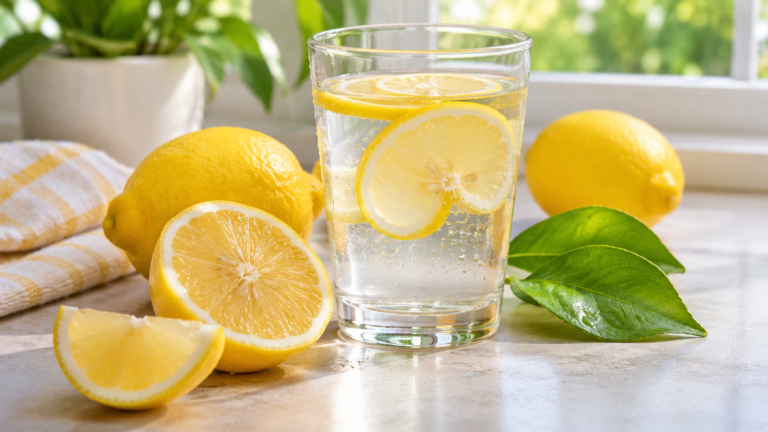
However, drinking extremely large quantities of water is not a safe way to flush protein out of the body. Excessive water intake can also be harmful.
The US Centers for Disease Control and Prevention explains the importance of hydration in its water and healthier drinks guidance.
6. Choose Balanced Meals Instead of Extreme Diets
A balanced diet should contain different food groups rather than relying heavily on protein alone.
In Ghana, practical protein sources include grilled fish, eggs, beans, chicken and other locally available foods.
Meals can also include vegetables, fruits and appropriate portions of carbohydrate-rich foods such as rice, yam, plantain or whole grains.
For example, a balanced meal could include:
- Grilled fish.
- A serving of rice or boiled yam.
- Vegetables such as kontomire, cabbage or garden eggs.
- Safe drinking water.
The correct portions depend on an individual’s age, activity level, nutritional needs and health conditions.
People managing diabetes, kidney disease or other medical conditions may need a personalised eating plan.
7. Be Careful With Protein Supplements
Protein powders and other supplements are widely advertised to people interested in fitness and muscle development.
Some individuals may have a reason to use them, but supplements should not replace a balanced diet. The amount required varies from person to person.
Before taking a supplement, check its ingredients, recommended serving size and possible interactions with medicines.
People with kidney or liver conditions, pregnant individuals and those taking regular medication should seek professional advice before starting new supplements.
Avoid products that promise instant muscle growth, rapid weight loss or miraculous body cleansing.
8. What If You Feel Unwell After a Protein-Rich Meal?
Feeling bloated or uncomfortable after a meal does not necessarily mean that protein has accumulated in the body.
Possible explanations include eating too quickly, consuming a large portion, food intolerance or another digestive problem.
People who repeatedly experience abdominal pain, vomiting, persistent diarrhoea or other digestive symptoms should seek medical advice.
Sudden severe pain, difficulty breathing, swelling of the face or throat, or other signs of a serious allergic reaction require urgent medical attention.
Do not try to treat unexplained symptoms with laxatives, herbal cleansing products or extreme fasting.
9. Simple Ways to Maintain a Healthy Eating Pattern
A sensible approach to nutrition involves several consistent habits:
- Eat a variety of foods rather than relying on one nutrient.
- Include appropriate amounts of protein in meals.
- Choose fish, beans, eggs and other nutritious protein sources.
- Eat vegetables and fruits regularly.
- Drink safe water throughout the day.
- Limit excessive consumption of highly processed foods.
- Avoid unverified detox products and extreme diets.
- Follow professional dietary advice if you have a medical condition.
These habits support general wellbeing without relying on quick-fix cleansing programmes.
Conclusion
Protein is essential for the body, but consuming more than you need does not automatically produce better health or stronger muscles.
For most healthy people, there is no need for a special detox after eating a protein-rich meal. The better approach is to maintain a balanced diet, drink adequate water and avoid extreme eating programmes.
People with kidney disease or other medical conditions should obtain personalised dietary guidance before making major changes to their protein intake.
Health information notice: This article is for general educational purposes only. It does not diagnose or treat medical conditions. Consult a qualified healthcare professional for advice based on your individual health needs.