
Introduction
Fuel prices in Ghana have become one of the most talked-about economic issues in 2026, affecting millions of citizens across the country. From transportation to food prices, the continuous rise in fuel prices in Ghana is putting serious pressure on household budgets and small businesses. Many Ghanaians are now asking an important question: why are fuel prices in Ghana increasing so rapidly despite various government interventions?
In recent months, petrol and diesel prices have seen noticeable increases, leading to higher transport fares and increased cost of living. This situation is not only impacting drivers and commuters but also traders, students, and workers who rely on daily transportation. Understanding the real reasons behind fuel prices in Ghana is essential for making informed financial decisions.
In this detailed guide, we break down the key causes of rising fuel prices in Ghana, explain how it directly affects your daily life, and share practical tips to help you manage expenses during these challenging times. Whether you are a business owner or an everyday consumer, this article will give you clear insights and useful solutions.
What Is Happening to Fuel Prices in Ghana
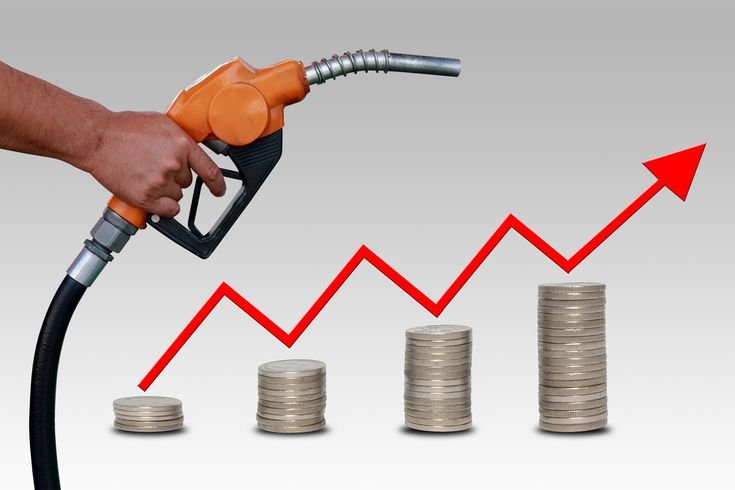
Fuel prices in Ghana have been experiencing a steady and noticeable increase over the past few months, creating concern among citizens and businesses alike. The cost of petrol and diesel has risen multiple times, with prices changing almost every pricing window. This constant fluctuation in fuel prices in Ghana makes it difficult for individuals and transport operators to plan their expenses effectively.
Currently, many fuel stations across the country are selling petrol and diesel at significantly higher rates compared to previous years. These increases are not happening suddenly but rather as part of a continuous upward trend influenced by several economic factors. As a result, commuters are paying higher transport fares, while drivers and logistics companies are facing increased operational costs.
Another important aspect of fuel prices in Ghana is the pricing system itself. Fuel prices are adjusted based on international market conditions, exchange rates, and local policies. This means that even small changes in global oil prices or the value of the Ghanaian cedi can directly impact how much consumers pay at the pump.
For many Ghanaians, the rising fuel prices are more than just numbers—they affect daily life. From increased food prices to higher service charges, the impact is widespread. Understanding what is happening to fuel prices in Ghana is the first step toward identifying solutions and preparing for future changes.
Global Oil Prices Impact on Fuel Prices in Ghana
One of the biggest factors influencing fuel prices in Ghana is the movement of global crude oil prices. Ghana relies heavily on imported refined petroleum products, which means that any increase in international oil prices directly affects the cost of fuel in the country. When crude oil prices rise on the global market, Ghana has to pay more to import fuel, leading to higher fuel prices in Ghana.
Global oil prices are affected by several key factors, including supply and demand, geopolitical tensions, and decisions made by major oil-producing countries. For example, when oil-producing nations reduce supply or when there are conflicts in oil-rich regions, global prices tend to increase. This increase is then reflected in local fuel prices in Ghana, making petrol and diesel more expensive for consumers.
In addition, global economic conditions also play a major role. When demand for oil increases due to economic growth in large economies, prices naturally go up. On the other hand, disruptions in supply chains, shipping costs, and refining capacity can further push prices higher. These global dynamics are beyond Ghana’s direct control, yet they have a strong impact on fuel prices in Ghana.
Another important point is that oil is traded in US dollars on the international market. This means that even slight increases in global oil prices can significantly affect countries like Ghana that depend on imports. As a result, global oil price fluctuations remain one of the primary drivers behind rising fuel prices in Ghana.
Understanding how global oil prices impact fuel prices in Ghana helps explain why local prices can change frequently, even when there are no major local policy changes. It also highlights the importance of monitoring international markets when analyzing fuel price trends.
Here’s your Section 4 (fully expanded, SEO-optimized, AdSense-friendly) 👇
Cedi Depreciation and Its Effect on Fuel Prices in Ghana
Another major factor contributing to rising fuel prices in Ghana is the depreciation of the Ghanaian cedi against major foreign currencies, especially the US dollar. Since Ghana imports a significant portion of its refined petroleum products, payments for fuel are made in dollars. This means that when the cedi loses value, it takes more local currency to purchase the same amount of fuel, leading to higher fuel prices in Ghana.
Over the years, fluctuations in the exchange rate have had a direct and immediate impact on fuel costs. For example, if the cedi weakens against the dollar, oil marketing companies are forced to spend more in local currency to import fuel. These increased costs are then passed on to consumers, resulting in higher prices at fuel stations across the country.
Several factors contribute to the depreciation of the cedi, including inflation, trade imbalances, and external debt pressures. When a country imports more than it exports, demand for foreign currency increases, putting pressure on the local currency. In Ghana’s case, the reliance on imports, including fuel, continues to affect the strength of the cedi and ultimately influences fuel prices in Ghana.
Additionally, economic uncertainty and global financial trends can also weaken the cedi. When investors lose confidence or when global markets shift, currencies like the cedi may experience volatility. This instability makes it even more difficult to maintain stable fuel prices in Ghana.
Understanding the relationship between the cedi and fuel prices in Ghana is essential because it shows that the issue is not only about oil prices but also about currency strength. A stronger cedi could help reduce fuel costs, while a weaker cedi will continue to push prices higher.
Taxes and Government Policies Affecting Fuel Prices in Ghana
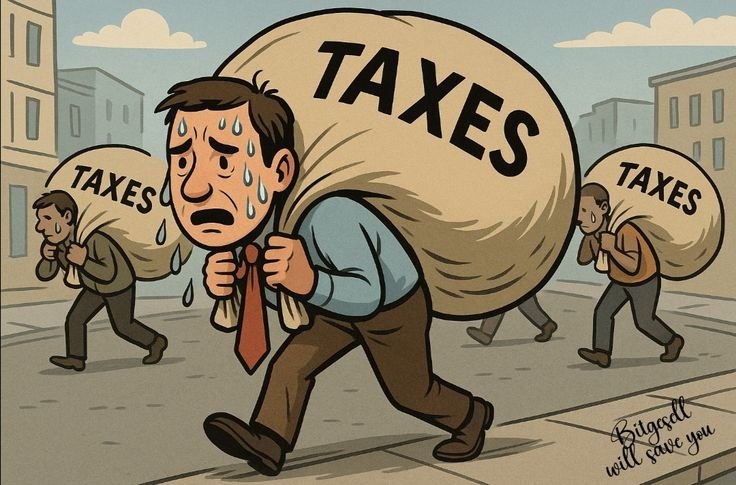
Taxes and government policies play a significant role in determining fuel prices in Ghana. While many people often focus on global oil prices or currency fluctuations, local taxes and regulatory charges are also a major component of the final price consumers pay at fuel stations across the country.
In Ghana, fuel pricing includes several levies, taxes, and regulatory margins that are added to the base cost of imported petroleum products. These may include energy sector levies, road toll-related charges, and distribution margins set by regulatory authorities. When these taxes or levies increase, fuel prices in Ghana automatically rise, even if global oil prices remain stable.
Government policies also influence how fuel is priced and distributed. For example, decisions related to subsidies, import regulations, and energy sector financing can all affect the final cost of fuel. In some cases, subsidies may temporarily reduce fuel prices, but when they are reduced or removed, consumers experience a sharp increase in fuel prices in Ghana.
Another important factor is the need for government revenue. Fuel taxes are a key source of income used to support national development projects such as roads, energy infrastructure, and public services. However, this reliance on fuel-related taxation can sometimes place additional pressure on consumers, especially when combined with other economic challenges.
It is also important to understand that regulatory agencies adjust pricing margins periodically to reflect market conditions. These adjustments, although often necessary for maintaining supply stability, can still contribute to rising fuel prices in Ghana.
Overall, taxes and government policies are a crucial part of the fuel pricing structure. While they help support national development, they also directly influence how much consumers pay, making them an important factor in understanding fuel prices in Ghana.
Transportation & Distribution Costs and Their Impact on Fuel Prices in Ghana
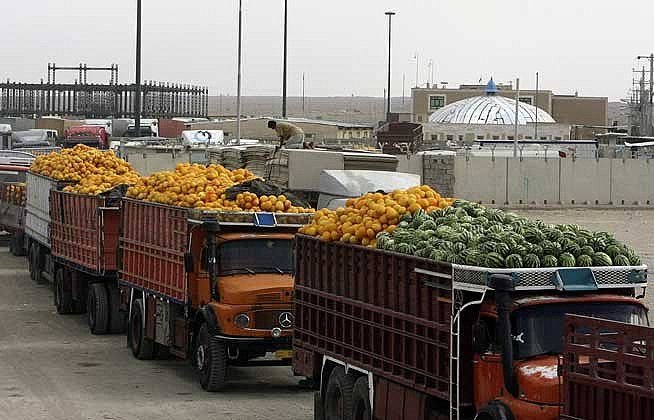
Transportation and distribution costs are another important factor influencing fuel prices in Ghana. After fuel is imported into the country, it does not go directly to consumers. Instead, it passes through a long supply chain that includes storage facilities, transport companies, tanker operators, and fuel stations. Each step in this chain adds additional costs, which eventually contribute to the final fuel prices in Ghana.
One major challenge is the cost of transporting fuel from ports to different regions across the country. Ghana has a wide geographical spread, and fuel must be delivered to cities, towns, and rural areas. This requires a large network of tanker trucks, drivers, and logistics companies, all of which increase operational expenses. Rising fuel prices in Ghana also make transportation itself more expensive, creating a cycle where fuel costs continue to push themselves higher.
Road conditions also play a role in distribution costs. Poor or damaged roads increase vehicle maintenance costs, fuel consumption, and delivery time. These challenges force transport companies to charge higher fees, which are eventually reflected in fuel prices in Ghana.
In addition, storage and handling costs contribute to the overall pricing structure. Fuel must be safely stored in depots and transferred under strict regulations to prevent losses or hazards. Maintaining this infrastructure requires investment, security, and technical operations, all of which add to the final consumer price.
Another factor is the profit margins of distributors and fuel station operators. Each stakeholder in the supply chain adds a small margin to cover operational costs and profit, which collectively increases fuel prices in Ghana.
Overall, transportation and distribution costs may seem small individually, but together they significantly influence the final price consumers pay at the pump. Understanding this helps explain why fuel prices in Ghana remain high even when other factors are stable.
Impact of Fuel Prices in Ghana on Daily Life
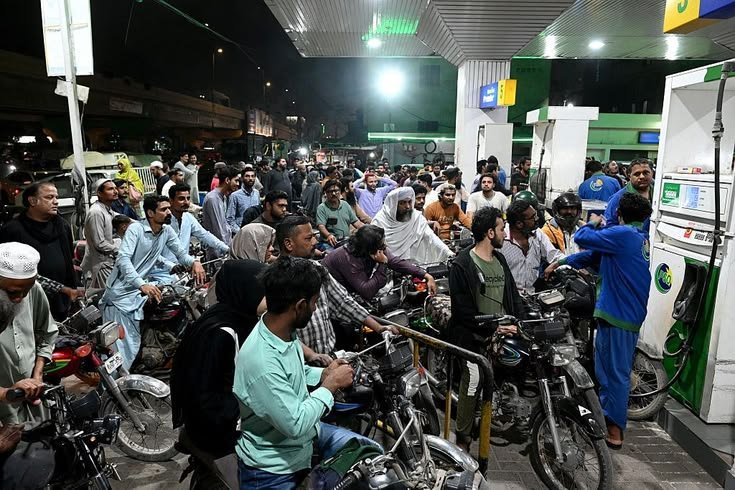
The continuous rise in fuel prices in Ghana has a direct and serious impact on the daily lives of citizens across the country. Fuel is a key part of transportation, food distribution, and business operations, so when prices increase, almost every sector of the economy feels the effect.
One of the most immediate impacts is on transportation fares. When fuel prices in Ghana go up, commercial drivers and transport operators are forced to increase fares in order to cover their rising operational costs. This means commuters pay more for buses, taxis, and ride-hailing services, which puts additional pressure on daily budgets.
Food prices are also affected. Farmers and traders rely on transportation to move goods from farms to markets. As fuel prices increase, the cost of transporting food items rises, leading to higher prices for basic goods such as rice, vegetables, and other household essentials. This creates a ripple effect that increases the overall cost of living in Ghana.
Small businesses are not left out either. Many depend on fuel-powered generators due to unstable electricity supply. When fuel prices in Ghana increase, the cost of running these generators rises, affecting profit margins and business sustainability.
Students, workers, and low-income households feel the burden the most, as they must adjust their daily spending to cope with higher transportation and living costs. This often leads to reduced savings and financial stress.
Overall, the rising fuel prices in Ghana affect almost every aspect of daily life, making it a major economic concern that requires attention and long-term solutions.
Conclusion: What Fuel Prices in Ghana Really Mean for You
In conclusion, the continuous rise in fuel prices in Ghana is not caused by a single factor, but rather a combination of global and local economic forces. From international crude oil prices and exchange rate fluctuations to government taxes and transportation costs, each element plays a role in shaping the final price consumers pay at the pump.
As we have seen throughout this article, fuel prices in Ghana are deeply connected to global markets, the strength of the cedi, national policies, and distribution systems. This means that even small changes in any of these areas can lead to noticeable increases or decreases in fuel costs.
For ordinary citizens, the impact is clear—higher transport fares, increased cost of goods and services, and pressure on household budgets. Businesses also face rising operational costs, which can affect pricing and profitability. This makes it important for everyone to stay informed and plan wisely in response to changing fuel prices in Ghana.
While the situation may seem challenging, understanding the causes helps individuals and businesses make better financial decisions. By adopting fuel-saving habits, budgeting carefully, and staying updated with economic news, people can better manage the impact of rising fuel prices in Ghana.
Ultimately, fuel price changes are part of a larger global economic system. Staying informed is the best way to adapt and reduce financial pressure in the long run.