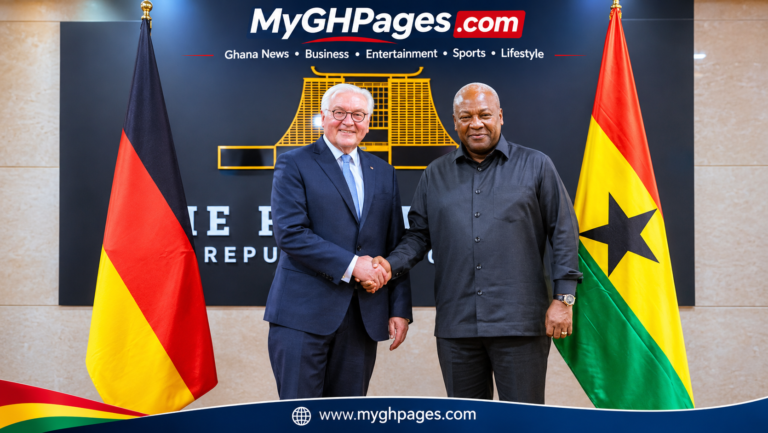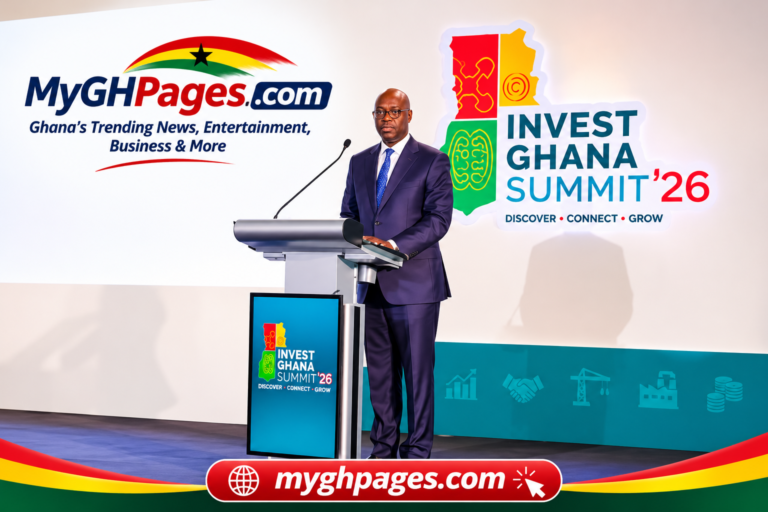
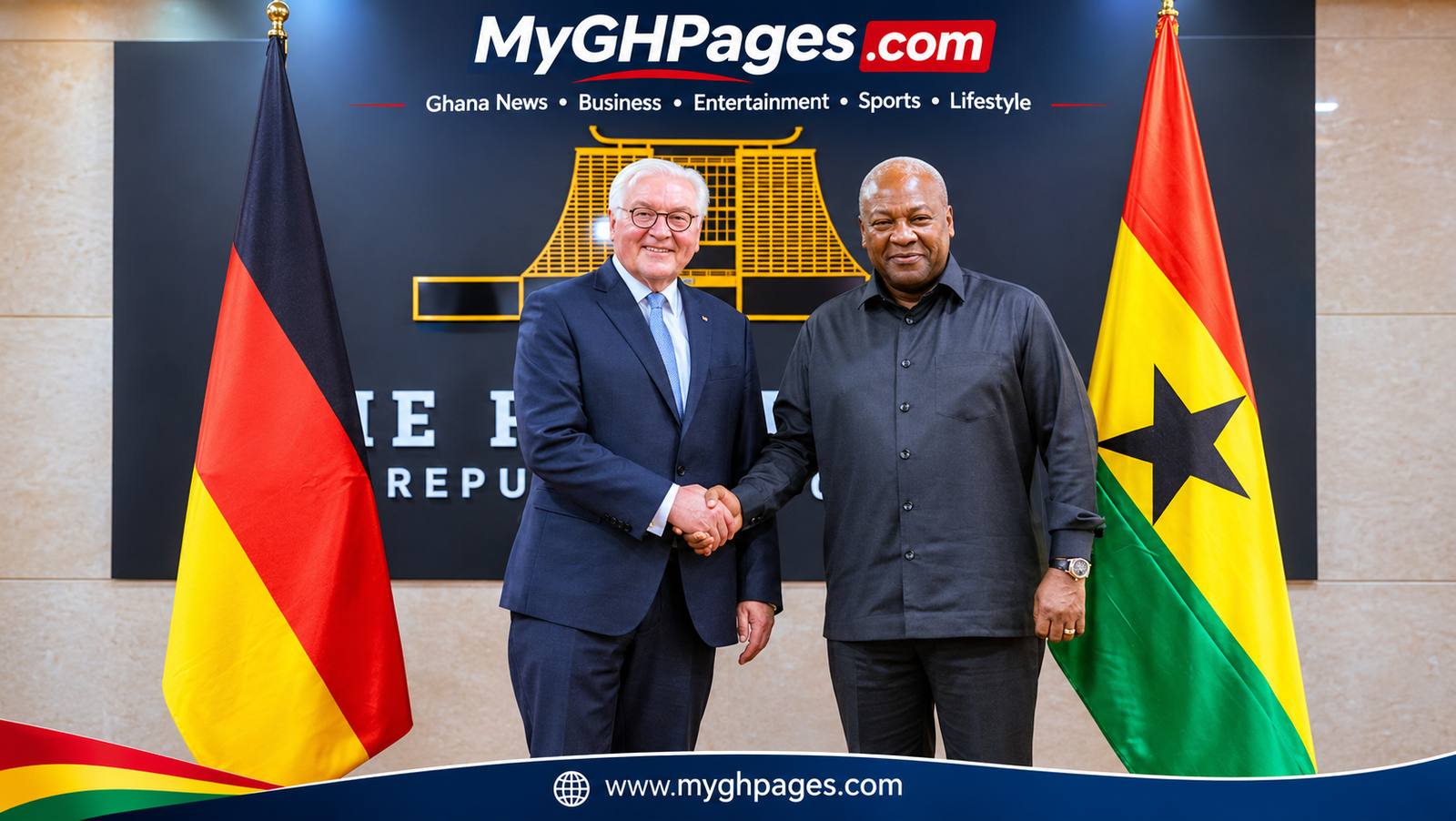
Ghana and Germany are seeking stronger trade, investment and industrial partnerships during the German-African Business Summit in Accra.
Ghana Targets German Investment as Business Summit Opens New Opportunities for Local Companies
Ghana is stepping up efforts to attract German investment as business leaders and government officials explore new opportunities in manufacturing, agriculture, technology, infrastructure and industrial development.
The renewed investment push comes as Ghana hosts the sixth German-African Business Summit in Accra, bringing together political leaders, investors, business executives and policymakers from across Africa and Germany to strengthen commercial partnerships.
President John Dramani Mahama and German President Frank-Walter Steinmeier jointly opened the summit, with both leaders encouraging stronger economic cooperation, investment, technology transfer and industrial development between Ghana and Germany.
The discussions place Ghana in the spotlight as businesses look for new markets, investment destinations and opportunities to expand commercial activities across Africa.
Ghana Wants More Investment in Manufacturing and Industrial Development
One of the major priorities highlighted during the summit is Ghana’s ambition to move beyond exporting raw materials and increase domestic production and value addition.
The government is seeking partnerships that can help transform sectors such as agriculture, manufacturing, energy, pharmaceuticals, infrastructure and technology into stronger engines of economic growth.
President Mahama called for greater cooperation between African resources and German expertise, particularly in engineering, manufacturing, technology and vocational training.
The objective is to encourage companies to establish productive businesses in Ghana, develop local supply chains, train workers and create employment opportunities.
For Ghanaian businesses, the increased interest in international investment could create opportunities for partnerships, access to modern technology, improved production methods and potential export markets.
German Companies Encouraged to Explore African Markets
German President Frank-Walter Steinmeier encouraged German companies to reconsider their traditional investment destinations and explore opportunities across Africa.
He noted that changing global economic conditions have increased the importance of diversifying markets, strengthening supply chains and developing new commercial partnerships.
Africa’s growing population, expanding consumer markets and entrepreneurial activity present opportunities for international companies looking to expand their businesses.
The summit is therefore expected to encourage discussions between German companies and African businesses seeking partnerships in manufacturing, finance, energy, agriculture, logistics and digital transformation.
Ghana’s position as host of the African Continental Free Trade Area Secretariat also gives the country an important strategic advantage in discussions about accessing markets across the continent.
Ghana’s $10 Billion New Economy Programme
The investment discussions also come as Ghana prepares to implement its New Economy Programme, which is expected to mobilise investment across several productive sectors between 2027 and 2030.
The programme is expected to focus on agriculture, agro-processing, manufacturing, energy, infrastructure, pharmaceuticals, tourism, creative industries, digital innovation and mineral beneficiation.
The government has indicated that partnerships with the private sector will be important in financing and implementing the programme.
For investors, the initiative could create opportunities in areas such as food processing, industrial production, renewable energy, construction, technology services, logistics and manufacturing.
However, the success of the programme will depend on how effectively investment plans are converted into actual projects, operating businesses, infrastructure and employment.
Opportunities for Ghanaian Entrepreneurs and Small Businesses
International investment does not only create opportunities for large companies. Small and medium-sized enterprises could also benefit if local businesses are integrated into supply chains.
Ghanaian entrepreneurs may find opportunities to supply factories, provide logistics services, distribute products, offer professional services, support technology projects or partner with foreign investors.
Businesses operating in agriculture and food processing could potentially benefit from increased demand for locally produced raw materials.
Technology companies may also explore opportunities involving digital services, business automation, cybersecurity, financial technology and software development.
For these opportunities to translate into meaningful benefits, local businesses will need to strengthen product quality, professional standards, financial management, reliability and competitiveness.
Skills Development Could Become a Major Benefit
Another important area of cooperation is skills development.
Industrial investment requires trained technicians, engineers, machine operators, logistics professionals, technology specialists and other skilled workers.
Germany’s experience in vocational education, technical training and industrial production could support Ghana’s efforts to improve workforce readiness.
Stronger partnerships between businesses, technical institutions and training organisations could help young people acquire practical skills needed by employers.
This could be particularly important for young people seeking careers in manufacturing, engineering, construction, technology, renewable energy and industrial maintenance.
The long-term value of investment partnerships will depend not only on the amount of money invested but also on the knowledge, skills and technology transferred to Ghanaian workers and businesses.
What Ghana Must Do to Attract Long-Term Investment
Although Ghana is actively promoting itself as an investment destination, attracting investors is only one part of the process.
Businesses require predictable regulations, reliable infrastructure, efficient public services, access to financing and confidence that investments can operate profitably over the long term.
Reducing unnecessary administrative delays, improving access to electricity, strengthening transport infrastructure and supporting local businesses could help Ghana attract more productive investment.
The country will also need to ensure that investment agreements deliver measurable benefits, including local employment, skills development, technology transfer and opportunities for Ghanaian suppliers.
Investors are likely to assess not only Ghana’s economic potential but also the practical conditions involved in establishing and operating businesses.
Can the Summit Translate into Real Jobs and Businesses?
The German-African Business Summit provides an important platform for discussions between governments, investors and businesses.
However, the real impact will be measured by the projects that emerge after the meetings, including new factories, expanded businesses, financing agreements, technology partnerships and employment opportunities.
Ghana’s ambition to become a stronger regional investment and manufacturing destination will require continued collaboration between the government, private businesses, international investors and local entrepreneurs.
If the partnerships developed during the summit lead to productive investment and stronger local industries, Ghana could benefit from new employment opportunities, increased exports, improved technology and more diversified economic activity.
The challenge now is to convert the discussions and investment commitments into practical projects that deliver lasting benefits to businesses and ordinary Ghanaians.
External links
Use these authoritative or relevant links in the article:
1. Clifton Homes – The Gallery project information
Official Clifton Homes projects page
2. The Gallery Ghana – Official property website
3. Ghana Property Centre – Property listings
Explore apartments and property listings in Ghana.
4. Booking.com – The Gallery apartments in Accra
Explore accommodation listings.
5. Ghana real estate market listings
Explore Ghana apartment listings.
Frequently Asked Questions
What is the German-African Business Summit?
The German-African Business Summit is a major business gathering that brings together German and African business leaders, investors, policymakers and government officials to discuss trade, investment and economic cooperation.
Why is Ghana hosting the summit?
Ghana is hosting the summit to strengthen its economic relationship with Germany and attract investment into productive sectors, including manufacturing, agriculture, infrastructure, energy and technology.
Which sectors could benefit from German investment?
Potential sectors include manufacturing, agro-processing, agriculture, energy, infrastructure, pharmaceuticals, technology, logistics and vocational training.
How could Ghanaian businesses benefit?
Local businesses could benefit through supply contracts, partnerships, technology transfer, financing opportunities, improved production methods and access to new markets.
What is Ghana’s New Economy Programme?
It is an economic investment initiative planned for 2027–2030 that focuses on developing productive sectors and strengthening Ghana’s economic transformation.
Will the investment drive create jobs?
Investment can create jobs if it leads to new factories, businesses, infrastructure projects, expanded production and skills-development programmes. Actual job creation will depend on the projects implemented.